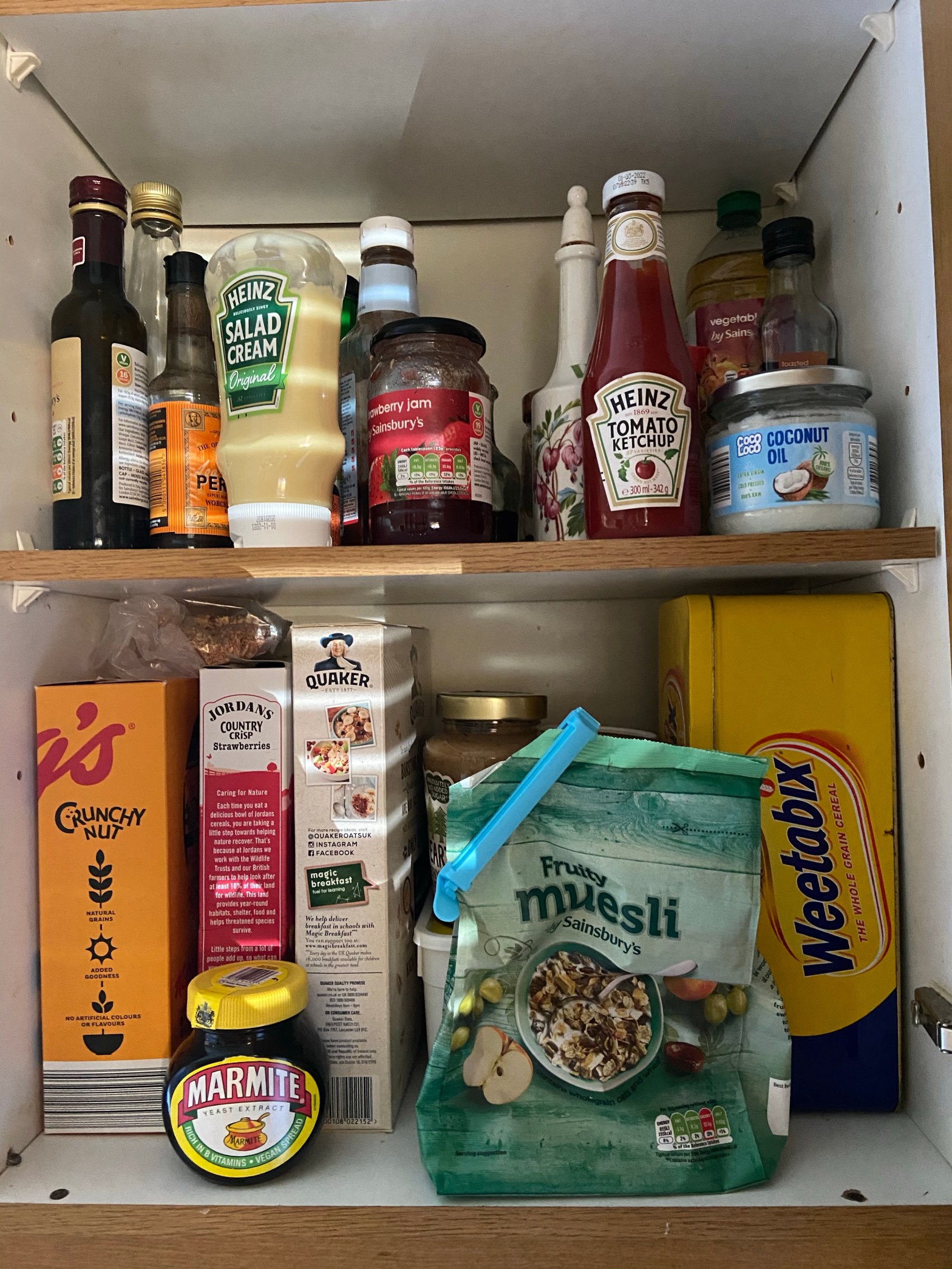
If you’re concerned about the environment, what are the most important things to look for when you’re shopping for food? Well, today, I should be able to answer that. The following are all labels that you could see on products, what they mean and why we should try to buy products that use them. Remember, if a company is sustainable, they will always advertise it because it is likely to make them more money, so if a product does not list any of these things, it’s probably because they are not sustainable! Also keep in mind that we can only do our best, so just try and look out for these things, and don’t get disheartened if all your favourite foods are terrible – simply lobby the company to do better.
Suitable for Vegans/ Vegetarian
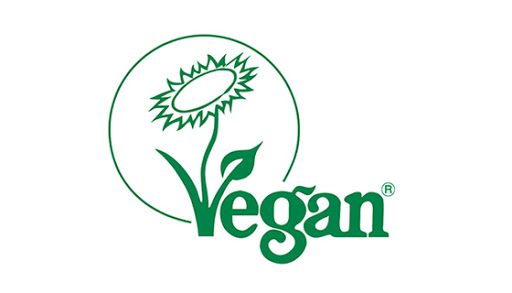
It’s a well known fact that eating less meat and dairy is better for the environment, so why not have a look for more vegan or vegetarian food? Even if you do eat meat and dairy, finding an alternative that you like is a great start to moving towards being vegetarian or vegan. For example, why not try and dairy free butter, or meat free sausages? If you do want to find these foods, then just look for a ‘suitable for vegans’ or suitable for vegetarians’ label. Several products also have a certified vegan logo, which you can see here. Lots of foods that you might think are vegan or vegetarian, aren’t, so always check, because even if they don’t have meat or dairy in the ingredients list, there may be some in the process. For example, Parmesan is traditionally made using rennet, which comes from cows. So, have a go at finding something that is animal product free.
Palm Oil

I did a whole post about Palm Oil which I will link below, but the short answer is that if you are buying foods with Palm Oil in, then you need to look for the RSPO label. Some products may just put ‘sustainably sourced Palm Oil’ in the ingredients list, which is worth checking out. If you can, have a look at the sustainability section of the website of whatever company you are buying from, and you should be able to find out whether it is sustainable or not! Not all products will list Palm Oil as Palm Oil – it has many different names, a list of which you can find on the blog post linked below.
Organic
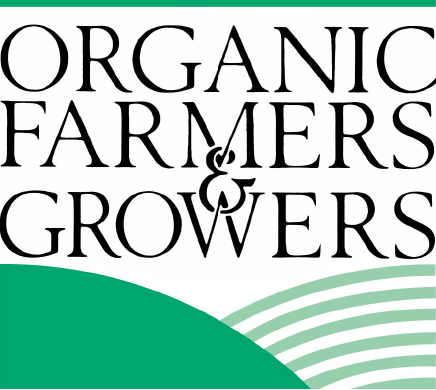
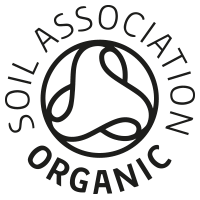
So this is one that most people have seen before. Products with these labels are often a lot more expensive than the non-organic version. Foods labelled as organic have to fulfil certain requirements by law. Legally, they have to be free from pesticides and chemical fertilisers and have good animal welfare standards. They also have to be free from genetic modification (listed as GMO or GM), routine antibiotics, and colours and preservatives. As all of these requirements are checked every year for certified products, this is a good symbol to look for. No label is required, but sometimes the ones above are used.
Free Range
This one is a little confusing. Again, in order to label something as free range, there are certain requirements. For eggs, the chickens cannot have been inside for more than 12 weeks and there can be no more than 9 hens per square metre, with 10cm of feeder per bird and one water source per 10 birds. There is a helpful guide by the CIWF (Compassion in World Farming), that grades different schemes. Generally organic, free range eggs are slightly better than just free range eggs. In terms of meat, organic poultry is also regulated. Chickens must have access to open air for half of their lifespan, with fresh vegetation. They also cannot be kept in enclosures of more than 13 chickens per square metre, and must be 56 days old before they are slaughtered. Pork isn’t regulated in the same way, but it is suggested to farmers using the organic label that pigs are kept outdoors for their entire lives, preferably with open pasture. Cows and sheep are mostly reared outside for some of the year anyway, so there are not really any regulations for them. So, if you do eat meat and eggs, try and look for ‘free range’ and ‘organic’.
Country of Origin
Most prepackaged products have to list a country of origin, which is where ‘the product was wholly obtained or, if production involved more than one country, the country where the product last underwent substantial, economically justified processing’. There is also the ‘place of provenance’, which is ‘any place where a food is indicated to come from that is not the same as the country of origin. These are good things to look at if you are concerned about air miles, or want to buy British products.
Fairtrade and Rainforest Alliance
Fairtrade and Rainforest Alliance labels look at livelihoods as well as the sustainability of ecosystems and biodiversity. The fairtrade label is awarded to products that meet certain requirements, such as long-term contracts, a price that can accommodate living and sustainable production and investing in social work. Remember, sustainability is about people too. Fairtrade marked products have to have a minimum percentage of fairtrade ingredients. The Rainforest Alliance label indicates that products are ‘environmentally and socially responsible’, and works with farmers, foresters and tour operators. This appears more on timber and paper products, but does appear on bananas and coffee too. Both of these labels are excellent to look for if you are concerned about the social impact of products (which you should be).
LEAF Marque and the Marine Stewardship Council
These labels are marks of being environmentally friendly. The LEAF Marque links environment and farming, and is basically an indicator that this product has been created with the environment in mind. The MSC (Marine Stewardship Council) is internationally recognised as an indicator of sustainable and well-managed fishing. It requires healthy fish stocks, thriving oceans and good management. So, both of these labels are designed to tell us how sustainable a product is.
So that’s it for food! Let me know if I’ve missed any labels, or if you want to know more about one of these. Have fun paying attention to your labels!
Sources:
- Palm Oil Post: https://wastemakeswaste.design.blog/2020/08/12/how-about-palm-oil/
- Guardian: https://www.theguardian.com/lifeandstyle/shortcuts/2017/feb/28/what-does-free-range-actually-mean-its-complicated
- FSA: https://labellingtraining.food.gov.uk/module8/overview_1.html
- Soil Association: https://www.soilassociation.org/organic-living/what-is-organic/organic-eggs/
- DEFRA: https://www.rbkc.gov.uk/pdf/Defra-shoppers-guide.pdf
 Waste Makes Waste