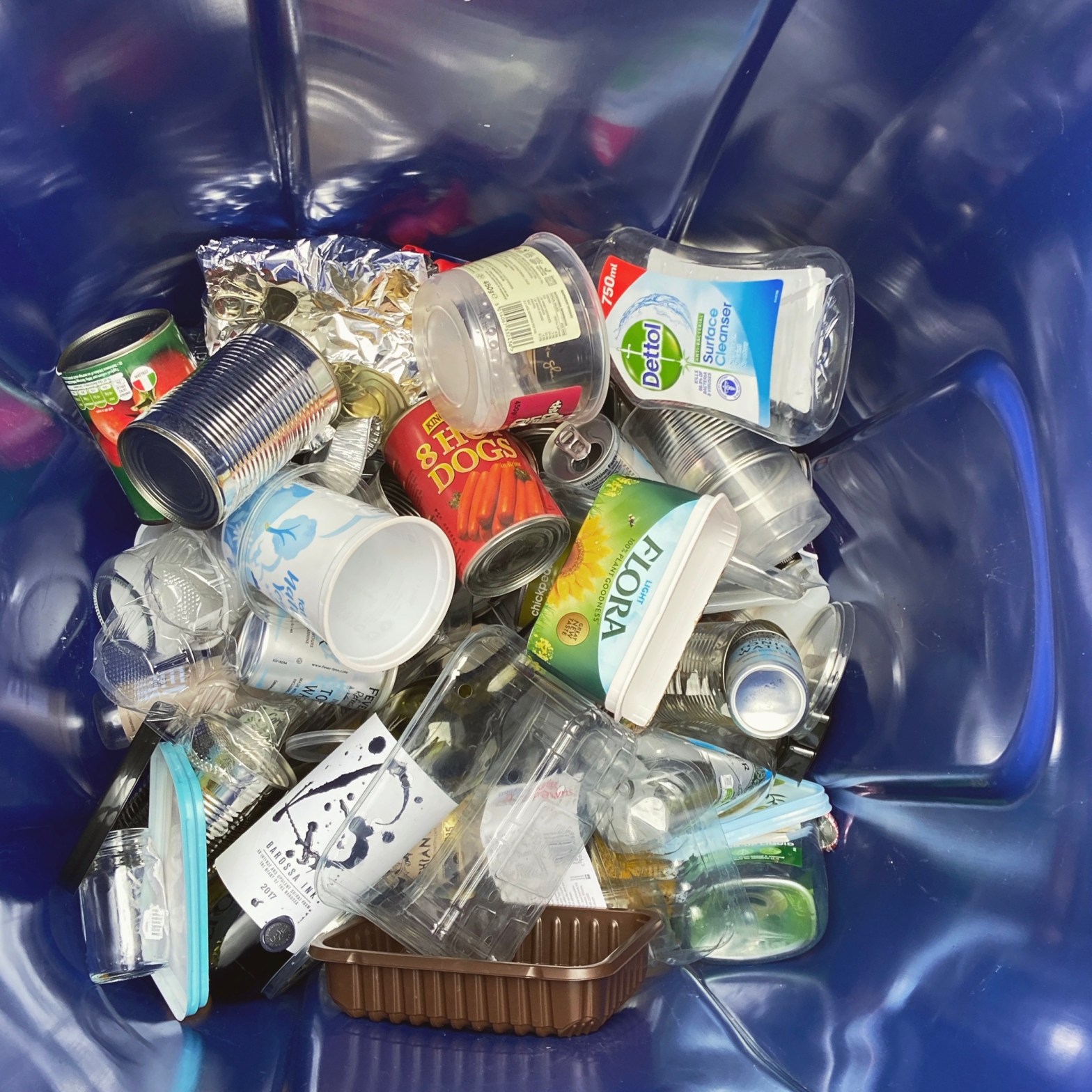
Packaging labels are very confusing – what can be recycled and what can’t? We know that only 7% of the plastic is recycled, yet so much of it is labelled as recyclable, so what do the labels actually mean? This weeks guide should explain what these labels mean, what they are used to communicate and which ones are good to look for when you’re shopping! Some of these labels apply to packaging outside of food, but are commonly found on food packaging, so you can look out for these on other products too!
Recycling Labels
It’s good to remember with all recycling labels to check your local recycling rules – for example, my grandparents postcode does not require glass to be separated from plastic, but one of my friends who lives just over the boarder in the next country is required to. You can also find more recycling opportunities at supermarkets, tips and recycling banks. For example, most supermarkets allow you to take back plastic bags, and my local zero waste shop allows me to recycle crisp packets, so it’s always worth having a look! Below are what some of the labels mean.
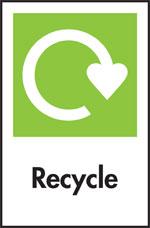
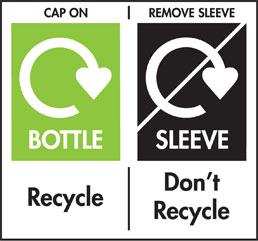
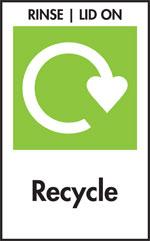
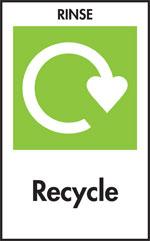
- Recycle – this indicates that this is recycled by 75% or more of councils across the UK, however you do have to check that your council is part of this percentage. Plastic bottles are an example of this.
- Recycle, Rinse – This label indicates that the material must be rinsed to avoid contamination, otherwise it may not be collected. As a general rule, all packaging must be clean in order to be recycled, so always clean your recycling before you put it out.
- Lid On – Plastic lids under 40mm in diameter are often too small for recycling, so it may be better to place the lid back on the bottle or container so that it can be detected. This label encourages you to do so.
- Remove sleeve or film/ do not recycle – This label tells you that although part of the packaging may be recyclable, another part may not be, so they must be separated. The films that cover trays of foods like meat or vegetables are often made from LDPE, which you can read more about below. If these are not removed, the other item (often a plastic tray), cannot be recycled.
Green Dot
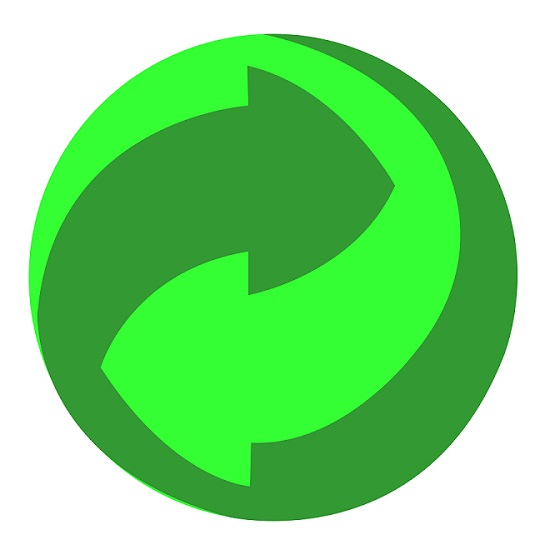
This is one that makes my blood boil. This symbol, despite looking like the above recycling labels and the mobius loop below, does not mean that the packaging can be recycled. In fact, any company can use this label, even if the packaging is not recyclable or made from recycled materials! This label is actually an indicator that the company has donated towards packaging recycling somewhere in the world, and is a financial symbol. So, be wary of this one.
Mobius Loop
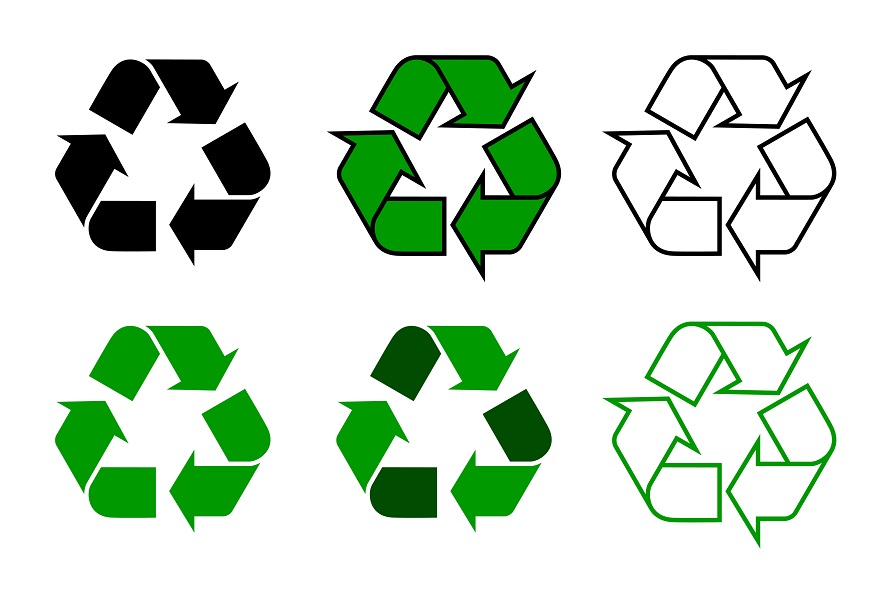
You’ll have seen this one before, but you might not know that this is what it’s called. It is ‘a triangle composed of three arrows looping back on themselves in clockwise direction’, and sometimes has a percentage inside it. This symbol means that the packaging can be recycled, and the percentage can refer to the amount of recycled materials that the packaging is made of. The presence of this symbol does not always mean that there is any recycled material in the packaging, so be wary.
Plastic Resin Codes
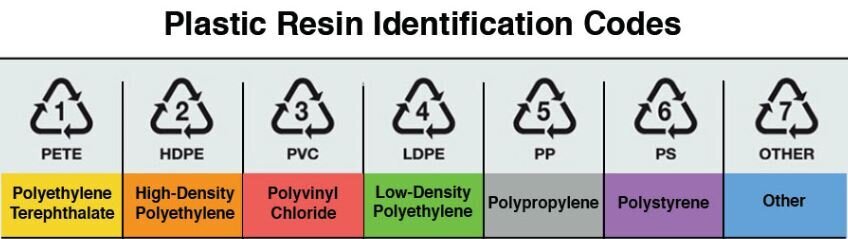
Plastic resin codes show what type of plastic a product is made of. Different products are made of different plastics, and each is different in terms of whether it can be recycled or reused. The symbol is always the same, but with the corresponding number shown below.
- Polyethylene Terephthalate (PET) – this is the most used plastic in the world. Commonly used for plastic bottles and food containers, this is the same polymer that is used for polyester, which is used to make clothes. PET is very durable, yet lightweight and hygienic, and is easily recycled. It is also easy to make PET from recycled materials.
- High Density Polyethylene (HDPE) – this plastic is very strong, which is why you will see it often on packaging for cleaning products, as it is strong enough to resist bleach. It is also used for shampoo bottles and bottle caps, because it is stronger than plastics of the same weight. It is easily recyclable and can be made from recycled content.
- Polyvinyl Chloride (PVC) – although PVC is most commonly used for construction (like windows and pipes), it is also used in products like bottles, clothing and inflatables. PVC can be used in two forms – rigid and flexible – and in both is strong, durable and long lasting. It can be recycled to make new PVC products, such as flooring, but is almost never recycled.
- Low Density Polyethylene (LDPE) – LDPE can be used to make carrier bags, bin liners, films that cover foods, foams, squeezy bottles and toys. It is also used to make the rings that connect cans, which infamously end up in the ocean and choke birds. It is strong, flexible and not susceptible to corrosion, and although rigid LDPE can be recycled, flexible products are difficult to recycle and can contaminate other plastics, so it is only recycled sometimes.
- Polypropylene (PP) – this is the second most produced plastic. It is resistant to chemicals, colourfast and heat and fatigue resistant. Because of this, it is commonly used for packaging, including reusable containers and flip top caps. It is easy to recycle, but can only be recycled 4 times in a closed loop.
- Polystyrene (PS) – now we’ve all heard of this one. Often used in its expanded form for take-away boxes and protective packaging, it is also used in a rigid form for yogurt pots, crockery and disposable razors. It is not recycled in the UK, but some councils recycle it at recycling centres.
- Other – this is the group of all the other plastics, including acrylic, nylon, polycarbonate, bioplastics and plastic combinations. These are all almost never recycled.

Materials
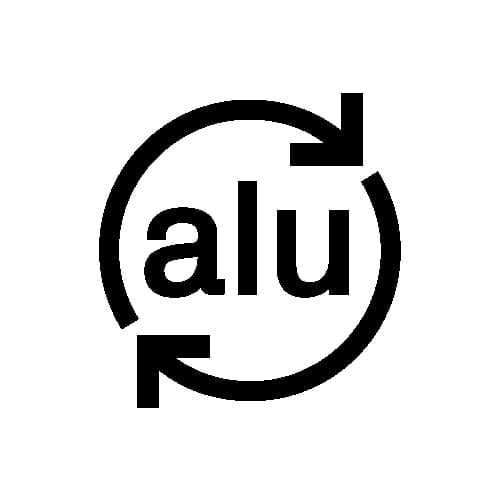
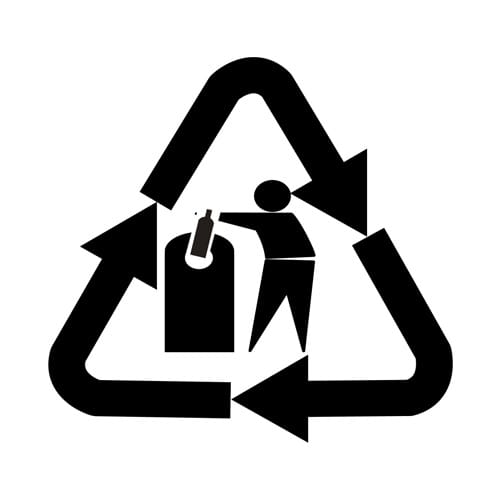
Other materials that packaging can be made from include glass, aluminium and steel. All of these are self explanatory, but here are the explanations of these particular labels.
Compostable, Home Compostable and Biodegradable
This is another weird one. These three labels seem almost interchangeable, but in reality they are very different. Products labelled as home compostable can be thrown into your compost bin at home, and will decompose naturally. Every component should biodegrade into good soil for your garden. Products labelled as compostable can only biodegrade in a commercial composting facility where heat treatment is used to accelerate the composting process, so do not try and put these materials in your compost! Products labelled as biodegradable contain materials that will break down within a short time – mostly between 6 and 9 months. So, do not mistake one of these for another!
FSC Logo

The FSC logo is an assurance that the trees used for the product or packaging were replaced or allowed to grow naturally, and is mostly found on timber products, paper and kitchen utensils. It is also an indicator that the welfare of people and animals has been though of and protected, so an excellent label to look for.
Eco Label
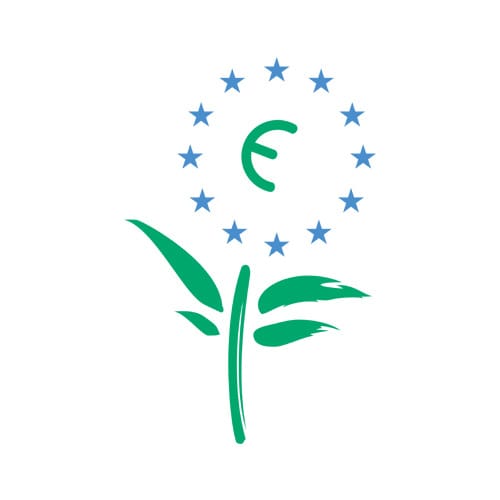
This is one that I haven’t seen that much, and would like to see more of. This label is part of an EU scheme for products that are eco-friendly, which rewards companies with accreditation for products that use low emissions and recyclable materials. A famous user of this is Ecover.
So that’s it for now! If I’ve missed any labels, then let me know, and keep a look out for the ones I’ve mentioned.
Sources:
- Recycle Now – https://www.recyclenow.com/recycling-knowledge/packaging-symbols-explained
- Coda – https://www.coda-plastics.co.uk/blog/a-guide-to-plastics-and-resin-codes
- Coda – https://www.coda-plastics.co.uk/blog/the-mobius-loop-plastic-recycling-symbols-explained
- Paramount – http://paramountlabels.co.uk/News/posts/Biodegradable-vs-Compostable-Labels-Whats-The-Difference#:~:text=Biodegradable%20refers%20to%20the%20ability,typically%20six%20to%20nine%20months.
- Mochni – https://www.mochni.com/difference-between-home-compostable-and-compostable-packaging/
- BBC news – https://www.bbc.co.uk/news/science-environment-45496884
- Defra – https://www.rbkc.gov.uk/pdf/Defra-shoppers-guide.pdf
- Hub – https://www.highspeedtraining.co.uk/hub/food-packaging-symbols/
 Waste Makes Waste