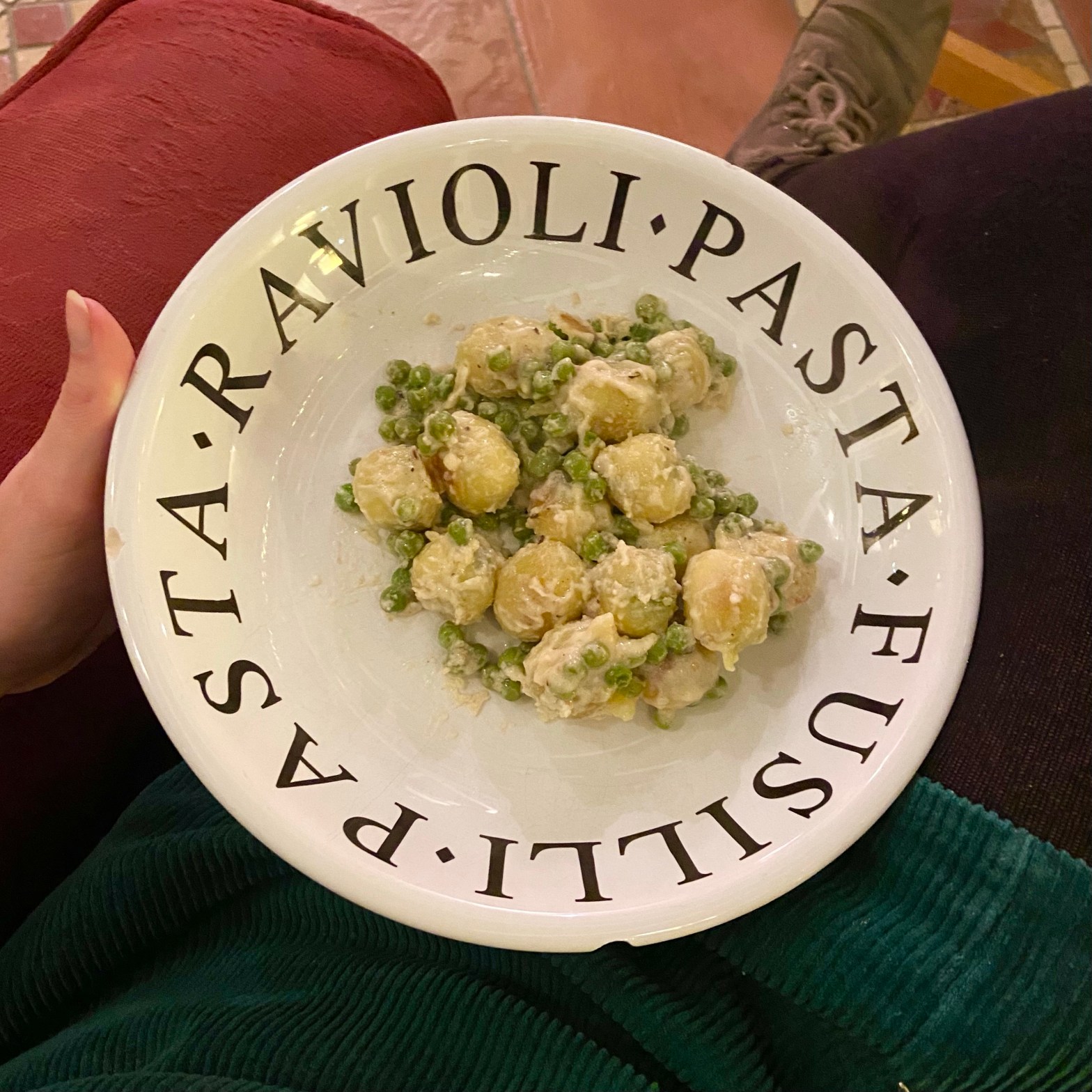
Pumpkin Gnocchi Recipe

I’m still here talking about pumpkin! Did you know that only 42% of British adults surveyed knew that pumpkin was edible? Well, it’s not only edible, it’s delicious, so here’s one final pumpkin recipe for you to try out with your left over pumpkin. Enjoy!

Ingredients:

  • 600g of fresh pumpkin
  • 400g potato (peeled and chopped)
  • 1 tbsp olive oil
  • 260g flour
  • 1 tsp salt
  • 1 tsp nutmeg

Method:

  1. Chop your pumpkin into small cubes and add to a baking sheet with the olive oil. Bake at 200°C (400°F) for about 30 minutes, until soft.
  2. In a large pot, boil your potatoes until soft, or for about 20 minutes.
  3. When your pumpkin and potato are cooked, mash them in a bowl using a potato masher or a fork, or press them through a sieve.
  4. Once smooth, add the flour, salt and nutmeg.
  5. Bring this together with a wooden spoon or spatula, and then begin to knead until the dough is smooth – add a little more flour if you need, but don’t add too much or overmix your dough.
  6. Separate the dough into strips and roll into long sausage shapes.
  7. Then, cut the sausages into small pieces. You can then make them gnocchi shaped using a fork or a gnocchi board, or you can just leave them as squares.
  8. The easiest way to do this is to add them to a tray or plate with some flour on it, to make sure that they don’t all stick together.
  9. Once you’ve finished assembling the gnocchi, bring a large pot of water to the boil. Add your gnocchi a little bit at a time and wait until they float to the surface until you add more. Remove them from the water with a slotted spoon.
  10. You can either set them aside if you want to pan fry them, or you can immediately add them to your choice of sauce.
  11. All done! I love to serve these with a sage butter, which is exactly what it sounds like – sage and butter (or in my case margarine). Alternatively you could pair them with pesto. If you want to pan fry them, simply add to a pan with some butter or oil and pan-fry until golden brown.

All done! I hope you enjoyed this recipe, and all the others that I’ve done featuring pumpkin! Hopefully this will help you to make use of that left over pumpkin… Happy Halloween!

Pumpkin Cake Recipe

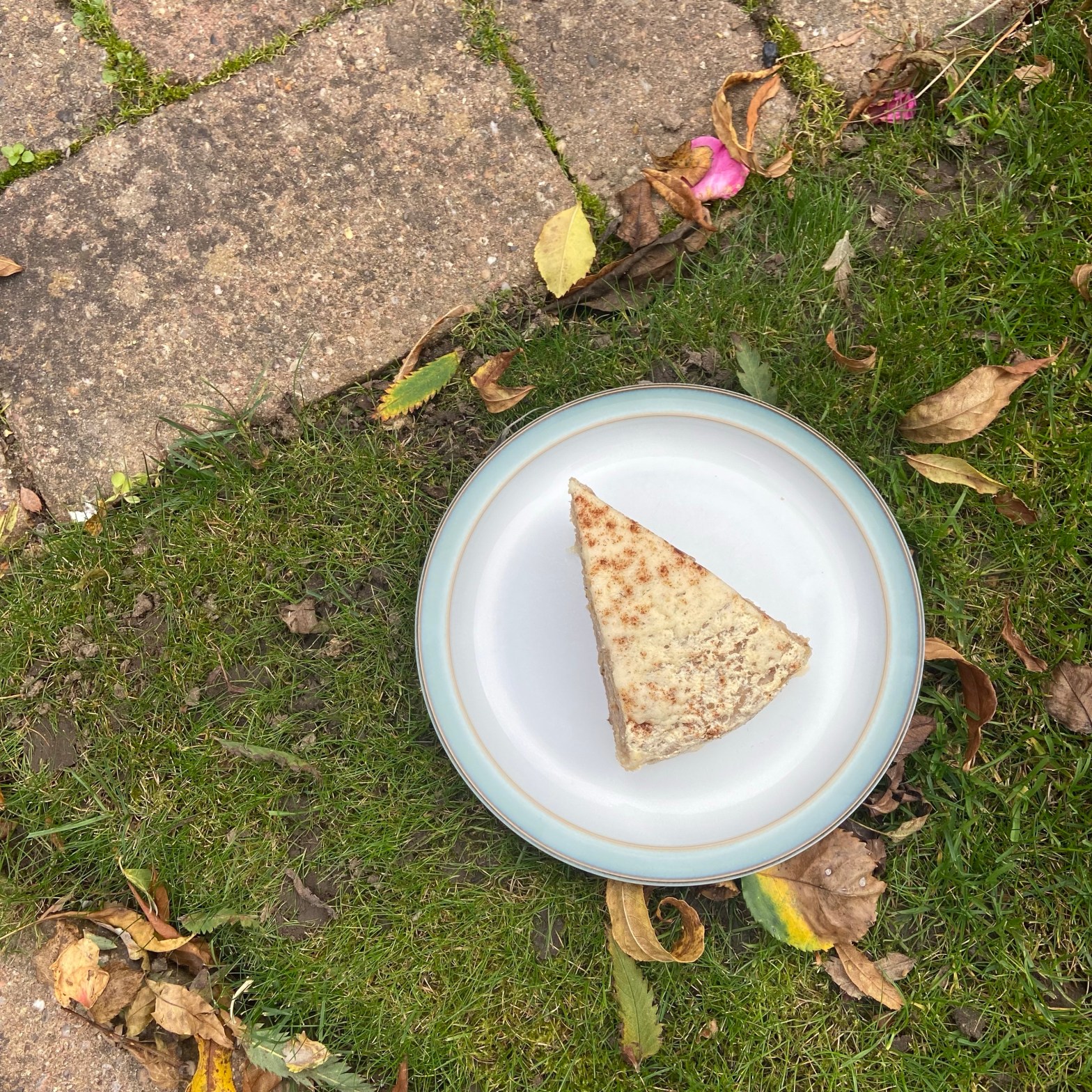
Did you know that 95% of pumpkins are used at Halloween and then thrown away? Well, here is another recipe to use up left over pumpkin and get that autumnal flavour – it’s a tray bake! Pumpkin cake is pretty similar to carrot cake, and it’s great to add to a spiced sponge, so why not try it out?

Ingredients:

  • 300g grated pumpkin
  • 125 ml vegetable oil
  • 375g plain flour
  • 175g brown sugar
  • 70g chopped walnuts
  • 2 tsp baking powder
  • 2 tsp vanilla essence
  • 1 tsp mixed spice
  • 1 tsp cinnamon
  • 1 tsp ginger
  • 1 tsp nutmeg
  • 1 tsp of salt
  • 300 ml vegan milk (I used oat)
  • Icing of your choice

Method:

  1. Heat your oven to 180°C (or 350°F) and line two circular cake tins.
  2. First, grate your pumpkin. Once it is grated, put it in a tea towel or cheese cloth and squeeze as much of the moisture out as you can, then set aside.
  3. Combine your oil, sugar and vanilla essence and stir until the sugar has dissolved, then add your milk.
  4. Sift in your dry ingredients and gently combine.
  5. Then, stir in your walnuts and the pumpkin.
  6. Add your mixture to your two tins and bake for 25 minutes or until a skewer comes out clean.
  7. Allow the cakes to cool in the tin for 10 minutes. Then, remove from the tin and transfer to a cooling rack.
  8. Once completely cool, get your icing – I did a water icing but a cream cheese style frosting would work really well – and use it to sandwich the two cakes, and to cover the top.
  9. All done! Enjoy.

If you liked this recipe, keep a look out for another pumpkin inspired recipe this week!

Pumpkin Soup Recipe

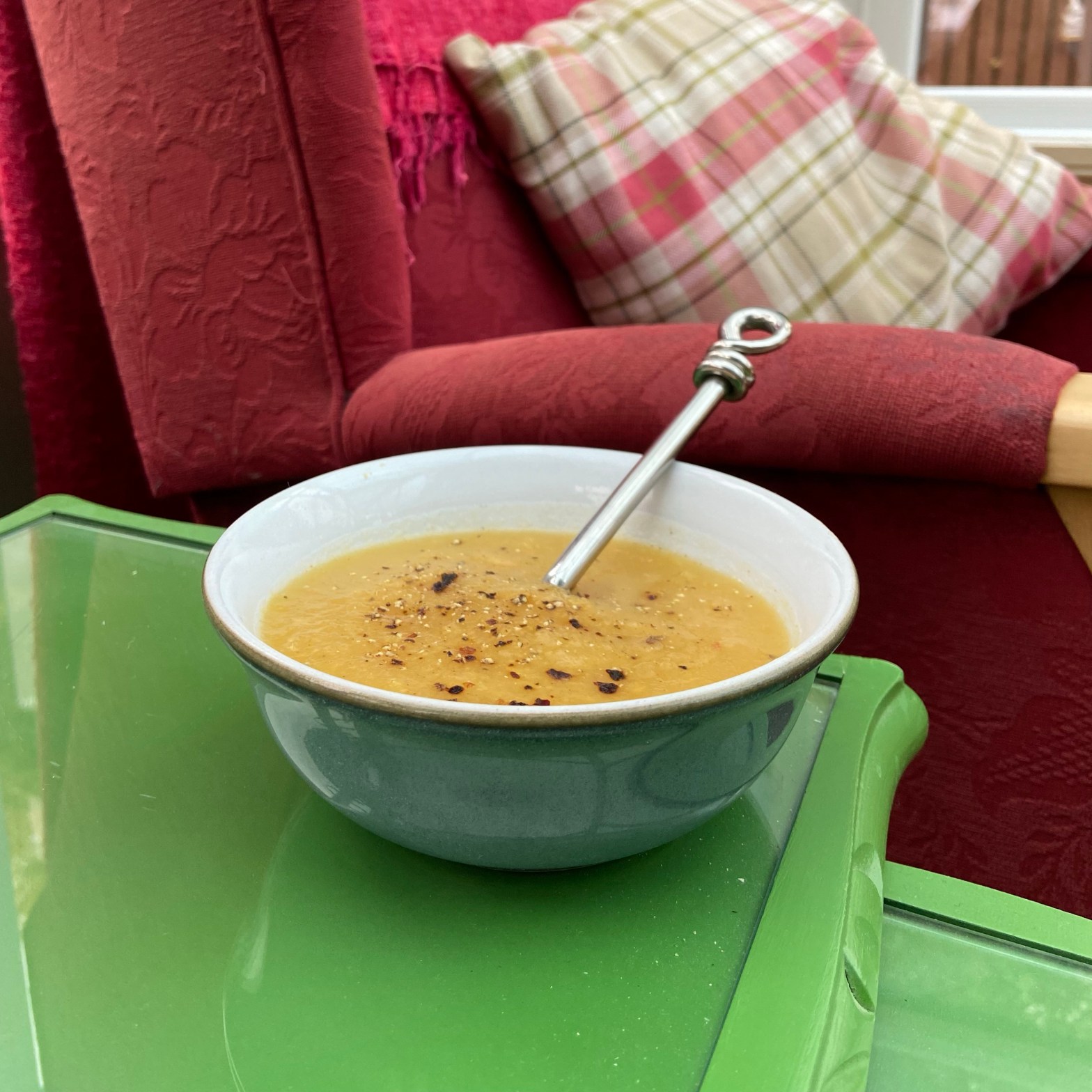
So Halloween is over, and people are already starting to think about Christmas, so what do you do with that left over pumpkin? 95% of the 10 million pumpkins used at Halloween are thrown away, so how can we avoid sending pumpkins to landfill? By eating them! My personal favourite is pumpkin soup, because it’s easy to make it creamy without using dairy, and it’s a great sweet soup that goes well with salty bread. So, here’s the recipe!

Ingredients:

  • 1 Medium Pumpkin (or the leftovers of 2-3 pumpkins from carving)
  • 1 Onion, chopped
  • 2 Garlic cloves, crushed
  • 1 litre of vegetable stock
  • 1 fresh chilli (or 1 tsp chilli flakes)
  • 1 Tsp of Mixed Spice
  • Half a Tsp of Cumin
  • Salt and Pepper to taste
  • 1 Tbsp of olive oil
  • Plain Yoghurt, Sour Cream or another alternative (to drizzle)

Method:

  1. Chop up your pumpkin into medium sized cubes – you can use the stringy flesh too if you like! If you have skin left on your pumpkin, then remove it.
  2. Heat your oil in a large saucepan, then add your onion and chilli until it is soft.
  3. Next add the pumpkin.
  4. Then, add your mixed spice and cumin, and cook the pumpkin until it is soft.
  5. Next, add your vegetable stock and simmer for about 10 minutes.
  6. Take the pan off the heat and blend the soup – I use a hand blender, but any type of blender that is suitable for hot food will work.
  7. Once the soup is smooth, add your salt and pepper. Taste once you’ve added some, and add more if you need to. You can also add more of the other spices here.
  8. Done! This soup shouldn’t need to be sieved, but you can sieve it if you want a super smooth texture!
  9. Serve with some sour cream or yogurt if you like – I personally like to pair it with the coconut collaborative yogurt.

That’s all! Keep an eye out for more pumpkin recipes…

Halloween Consumerism

Boo! What’s the scariest thing at this time of year? The inevitable consumerism that comes at Halloween. What could be scarier than the consumerism we are bombarded with by every shop, advert and Instagram post? With an estimated 50% of the UK spending money on Halloween, or 85% if we look at parents with children under 5 years old, the impact of Halloween is growing. So, what better time to talk about the impact of Halloween on the environment?

Halloween Costumes

I love dressing up – my previous Halloween costumes have been skeletons, vampires and cats to name a few. However, bought Halloween costumes are often full of plastic and are churned out rapidly to be sold in large numbers. An examination of 300 clothing lines sold by 19 different retailers in the UK found that 83% of the material found in the costumes we’ve come to love contained an oil-based plastic like polyester. In 2017, 33 million people dressed up for Halloween, but 40% of these costumes were only worn once. So, putting these two statistics together, that’s a lot of plastic based waste potentially going to landfill. In fact, 7 million costumes are thrown away each year, with a tiny proportion being recycled. So, if you’re thinking of buying a costume this year, consider using one you’ve already got, make your own or buy one from a charity shop or second-hand shop.

Halloween Decorations

The days after Halloween are a nightmare for the waste industry, because difficult-to-recycle items, often plastic, appear in our recycling and landfill. We’re talking devil horns, plastic spiders webs, plastic pumpkins, lights, batteries, witches hats etc. A lot of this plastic is cheaply produced, because it is designed to be thrown away quickly. The majority of batteries used in Halloween toys and decorations end up in landfill. Pumpkins, as I’ll talk about in a minute, are a great alternative because you can eat them after using them as a decoration, but the first thing I’d say is to just use what you already have!

Halloween Sweets

Sweet wrappers are very difficult to recycle because they’re made of low quality plastic, so they mostly end up in landfill. However, Terracycle has a confectionery packaging programme, so there are some options if you need them. Obviously, it’s harder to do sweets zero waste if you want to be Covid-19 conscious, as zero or low waste options are often not packaged. However, paper wrapped chocolate is a great option, or if you’re only giving out sweets to a select few people in your household, there are lots of zero waste bulk options at local zero waste shops.

Pumpkin Waste

10 million pumpkins are grown in the UK each year, and 95% of these are used at Halloween and are then thrown away. 25% of pumpkins are thrown in the bin, 19% are composted, 20% goes to food waste, and 33% is cooked. Part of the reason people throw pumpkin away may be because people are not aware that you can eat pumpkin – only 42% of British adults surveyed by Hubbub knew that pumpkin was edible. This demand is expected to rise by 15% this year because Halloween last year was quite low key due to Covid-19 restrictions. And yet, pumpkin is not only seasonal but really easy to cook with. Pumpkin is super versatile too – it can be used for sweet and savoury dishes. So, if you’re getting pumpkins this year, then remember to make them into something tasty!

So, don’t buy into the consumerism that comes with Halloween – we don’t need stuff to be spooky!

Circular Nature

Autumn is my favourite time of year. I love being bundled up in jumpers and scarves without it being absolutely freezing, I love the food, I love those chilly but sunny walks, I love it all. But one other thing I love is that we can see nature at work. The leaves turn brown and red and become a mulch, eventually returning to the earth. To me, this perfectly represents the difference between nature’s approach to resources and ours. So, that’s what I’m going to be talking about this week.

Nature works in a cycle where materials flow. Everything grows, then dies, where it is returned to the soil, allowing the nutrients to be recycled and used again. For example, trees shed their leaves in autumn to protect themselves from cold and dry weather during the winter. The leaves then fall to the ground and begin to break down, helped along by invertebrates like worms, slugs and snails and also mould or fungi. The leaves then release inorganic nutrients into the soil, where they are taken up by plants and help new growth. To quote the Lion King, it’s the Circle of Life!

So why do I love this process so much? Because it reminds me that there is a way of living where everything is returned to the ground and sustains new life. The more widely used term for this in the ‘human world’ is the circular economy. The basic principle of this is that resources travel round in a circle and do not end up in landfill. Products are created and once no longer in use, can be fully recycled into more new products, or refurbished, so that there is no waste. This is essentially the same thing that nature already does – if this has worked for the planet for so long, then why did we ever decide that changing it was a good idea?!

Every year, autumn reminds me that there is a way for us to live where we make full use of all our resources. It also reminds me that nature has it all figured out, and really we don’t.

That’s all from me this week! Stay tuned for a lot of content next week on the approach to Halloween…

Periods: Attitudes and Materials

This week is Environmenstrual Week, so what better time to talk about the history of period products. A lot of conventional period products are now made mostly of plastic, but was this always the case? And, is there a reason that this area of health care is often neglected, leaving many in period poverty, when there are lots of sustainable options? Let’s find out!

Attitude History

It’s not a secret that periods are a bit of a taboo subject, and have been for many, many years – probably before we had language. In the first Latin encyclopaedia from 73 AD, contact with menstrual blood was told to turn wine sour, kill crops, dry up seeds in the ground, kill bees, rust bronze and iron, drive dogs mad and blunt steel amongst other things. During the Second World War female pilots were encouraged not to work during their periods as they were considered to be emotionally unstable. However, in Ancient Egypt menstrual blood was used as an ingredient in ointments, and in mediaeval Europe menstrual blood was believed to be a cure for leprosy. However, these positive attitudes were in the minority, and periods were often seen as unclean.

Several religions also have passages about menstruation which reflect the time in which they were written. Hinduism teaches that people on their periods are ‘impure and polluted‘ and the Bible describes a woman who bleeds for 12 years and is considered unclean. The motivations for these depictions are likely to have been linked to hygiene, but also to the patriarchy.

These taboos are not just historical. In countries like Indonesia, India, Nepal and many countries in Africa, there are many social taboos around periods which lead to isolation, a lack of access to sanitary products, diminished access to education and limited access to things like water. This Flo article depicts the details really well if you want to find out more, and find out what initiatives there are to help. Even though I live in a country where periods are not treated in this way, they are still a pretty taboo topic. I think that there is definitely still an attitude that periods are ‘icky’ or shouldn’t be talked about. A classic example of this is that often we don’t use the term menstruation or period – it’s ‘time of the month’, ‘Aunt Flo’, ‘monthlies’, ‘on the rag’, ‘crimson tide’, the list goes on.

Material History

Conventional sanitary pads are made up of 90% plastic, but have period products always been so reliant on plastic? Well, no, but I’m not sure that it was necessarily an improvement.

Ancient period products were pretty makeshift. In Ancient Egypt, softened papyrus, sea sponges and wood wrapped with lint were used. Later on rags were used, which is why people sometimes use the term ‘on the rag’ for being on their period. From the mid-1800’s, menstrual cups, rubber pants and Lister’s towels (basically like pads) were all marketed but were not widely successful. The first commercial example of a period product was introduced in the 1890’s, which was an elastic belt to which a pad is attached. This is also when pads were introduced. By 1921, cellulose was a material which was used because the First World War revealed that it was effective at absorbing blood. This led to the ‘first successfully mass-marketed sanitary napkin‘. The first beltless pads came out in the 1970’s, and by the 1980’s pads with wings were widely available.

Tampons were patented in the 1930’s and were considered to be a better option as they removed the possibility of the transfer of faecal bacteria. However, there were concerns about the possibility of infection, and also moral concerns about virginity, masturbation and contraception. From 1979, there were growing concerns about Toxic Shock Syndrome (TSS) as over 5,000 cases were reported between 1979 and 1996, which led to a focus on natural products. The environmental and feminist movements of the 1970’s encouraged biodegradable options, and the sponges which were used in Ancient Egypt were still going strong. Free bleeding, where you use no products to collect the blood, was also a thing, although it wasn’t widespread.

That brings us to now. Conventional period products are predominantly made of plastic and also do not have to describe what chemicals they use, which can mean that they are not super safe to use. Environmentally friendly options are becoming more and more popular now, with reusable pads and pants, biodegradable tampons, plastic free pads and tampons and cups all being widely available.

Overall, periods are an example to me of where we have to balance everything within the climate crisis. The most important thing is that everyone has access to period products and feels comfortable and safe. Equally, plastic waste is a huge problem and needs to be dealt with. So, we need to find a way to make access to period products better and more widespread whilst making sure that the options are more sustainable and better for us.

I hope that you enjoyed this blog post – let me know what you thought in the comments below!
Why do we measure environmental damage in football fields?

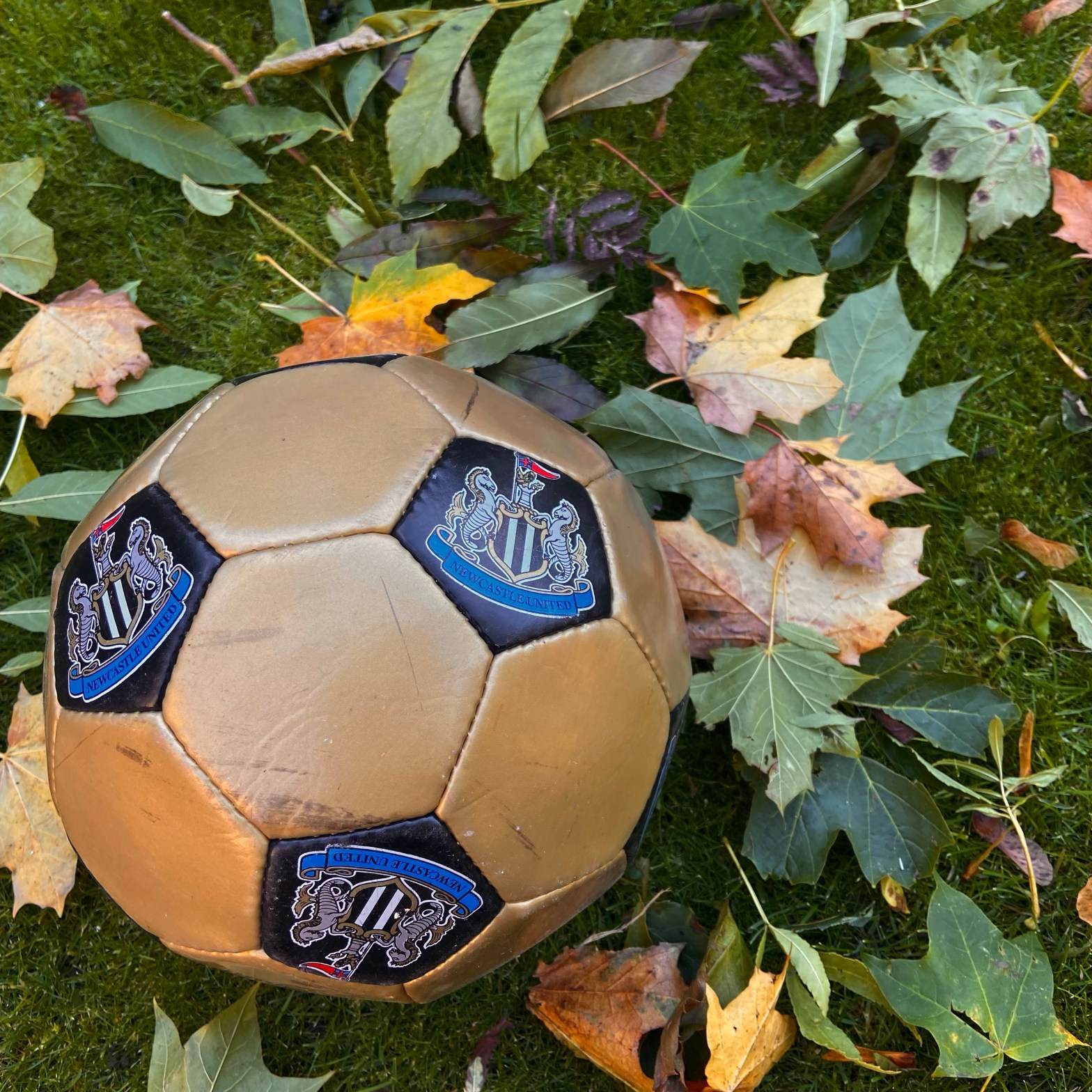
Environmental damage is one of those topics that is used widely in the media as an indicator of our impact on the planet. Wildfires, deforestation, you name it, we’ve measured it. We measure it in many different ways, like trees cut down per second, the size of the area deforested compared to country sizes, and the one I see the most – the size of the area destroyed described through the corresponding number of football fields or pitches. This has always seemed slightly bizarre to me, so this week I thought I’d dive into why this is something we see.

So, first of all, let’s go through what kind of things are measured in football fields. The one I’ve seen the most is deforestation. Headlines like ‘The Amazon Has Lost More Than Ten Million Football Fields of Forest in a Decade‘ or ‘Football pitch-sized area of tropical rainforest lost every six seconds‘ are a staple in climate communications. Another one is fire. This can sometimes be linked to forests, like ‘Cairngorms National Park wildfire: Seven football pitches worth of forest destroyed in Scottish wildfire’ or it can be another type of land area, such as ‘Bury fire: Crews tackle blaze ‘size of a football pitch’‘, which was about a landfill site. Football pitches aren’t just reserved for land areas either, they are also often used for things like boats, or aircraft carriers, such as this one – ‘Aircraft carrier the size of three football fields has its own library and general store’ . You get the picture – it can be used to measure practically anything.

There’s a pretty simple reason for the use of the football field measurement. If I say that an area 7,140 square metres large has been damaged, can you picture it? Probably not. Whereas, if I say 1 football pitch, you probably can. Maybe not precisely, but better than you can guess any other measurement. That’s good right?

Well, potentially yes, but possibly no. A first big issue with this is that not all football pitches are the same size! I didn’t know that until researching for this post, and it seems odd to me for many logistical reasons, but it also makes the use of football pitches as a measurement a big issue – what size of pitch are you talking about?! A football pitch in the UK has to be between 90m and 120m in length, and between 45m and 90m in width. So theoretically, one article could be talking about a 90m by 45m pitch, whilst another may refer to one that is 120m by 90m – that’s a huge difference!

As you can see from the headlines I discussed earlier, this measurement is mostly used in sensational headlines. And, although I’m sure you can picture one football field, I’m less sure that you can actually picture 40. There’s a similar problem here when using countries as guidance for the size of destruction – does anyone truly know how big Wales actually is? I’m half Welsh, and although I have an idea of how large Wales is, I wouldn’t be able to confidently draw it to scale, guess how large it is in any measurement, or compare it to the size of many other countries. So, whilst perhaps one football field is a good measure, when this is scaled up it probably makes less sense.

This next point is my opinion, not something I’ve seen anywhere else, but I feel like the overuse of football fields as a measurement has led to somewhat of an unfeeling response. Over time, the repetition of a statistic can lose it’s meaning, because we get used to it. Another example of this is the reaction to deaths associated with covid-19 – whilst we react emotionally to one death, the deaths of larger numbers produce a numbed response, and become just a statistic. So, it’s possible that the football field measurement means less and less every time we use it.

So, whilst the football pitch measurement is somewhat sensible, it’s definitely not perfect. To me, it’s another example of where the media use sensational headlines, often without then providing adequate information, and always without providing any solutions. If we’re going to use these sorts of statistics, perhaps we should back them up.

Thanks for reading! What are your thoughts on the football pitch measurement?

Apple Meatballs Recipe

It’s another seasonal recipe! This is a recipe I can take no credit for, because it’s one that my boyfriend introduced me to that has become a personal favourite. He makes it with pork, but it works really well with meatless mince and is a nice way for me to enjoy the foods I eat alongside my family. It’s also seasonal because it uses apples, onion and parsley, all of which contribute to the slightly sweeter flavour. So, why not have a go at this meatless and seasonal recipe this Autumn?

This recipe is what I make for 4 people, but you may want to use more or less depending on your appetite and needs!

Ingredients:

  • 400g meatless mince
  • 2-3 apples – I tend to use cooking apples, but regular apples work too.
  • 1 small white onion
  • 40g breadcrumbs – this is a rough estimate, so I suggest you put a bit in at a time and then mix to see what the consistency is like.
  • Handful of parsley
  • 1 tsp nutmeg
  • Salt and pepper to taste
  • Olive oil

Method:

  1. Firstly, preheat your oven to 180°C/356°F/Gas Mark 4.
  2. Next, peel your apples and chop them finely. You want very small cubes of apple. Place to one side.
  3. Finely chop your onion. Add half to a frying pan with some olive oil and cook until translucent.
  4. Finely chop your parsley and add to a mixing bowl.
  5. Add your cooked and raw onion and your apple to your bowl. Add in your meatless mince.
  6. Add your breadcrumbs about 10g at a time, mixing in between. You want a squishy mixture that holds together. The mince I use (the meatless farm) holds together without any additional binding agent like egg, but depending on what you use, you may have to add a binding agent like flax egg, aquafaba or egg.
  7. Add your salt, pepper and nutmeg and give your mixture a final mix, making sure that everything is combined. At this stage, I’d recommend taking a small piece of your mixture and making it into a flat disc to fry quickly in a pan, just to see if you’ve got the flavours you want! I often end up adding a little bit more seasoning after this step.
  8. Next, roll up your meatballs. Depending on the size of the meatballs, you can make between 8 and 16, but of course this may vary depending on some of the quantities you’ve used above!
  9. Drizzle a large baking dish with some olive oil and add your meatballs. Make sure you move them around so that they get an even coating of oil. Pop them into the oven for about 30 minutes, turning them after 15.
  10. Once they’re done, serve with a tomato sauce and some spaghetti. All done! Enjoy.

I hope that you enjoyed this recipe! It’s super easy to do and is a great option for my meatless friends who want to enjoy a familiar meal. As always, let me know how you get on with this meal, and enjoy.

Donating My Hair

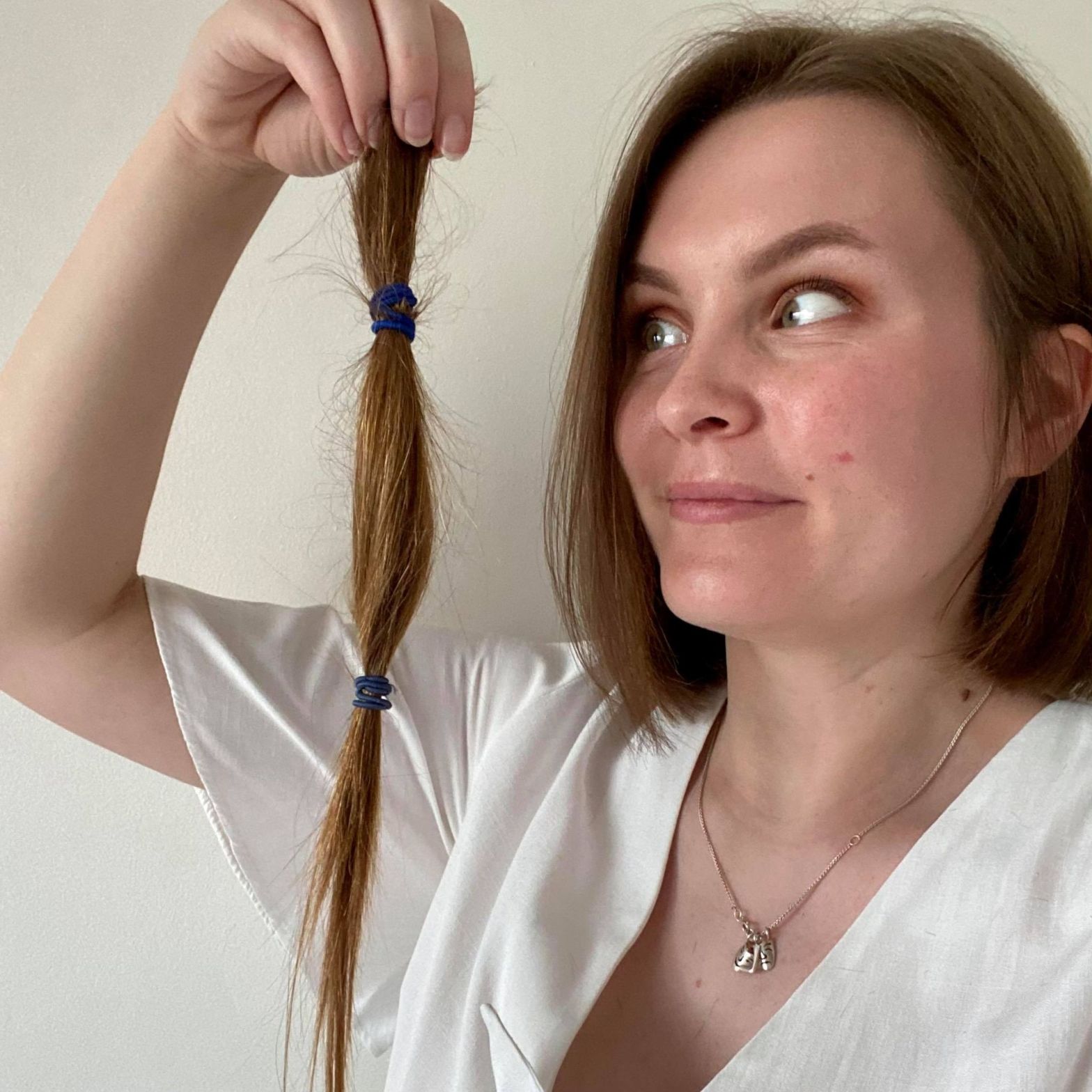
So, after two years without a hair cut, I chopped off my hair to a chin length bob. I only tend to have my hair cut once a year, and it grows pretty quickly, so this wasn’t too drastic a change for me. What was a change was that I then sent that hair off to the Little Princess Trust who make wigs for children and young people who have lost their hair. Today, I’ll be talking about why I did this and telling you about the process!

So first of all, why did I decide to do this?

After not cutting my hair for 2 years, it had grown by about 8 inches – that’s so much hair! I had seen that other people had donated their hair to make wigs, and I thought that I could do the same. Aside from avoiding the waste, what is also really important to me is that the hair is used to help something or someone, which is why I was keen to donate to the Little Princess Trust. They have made over 8,000 wigs using real hair and have also funded the research of paediatric cancer. So, I thought that they would be a really good place to donate to! If you think the same, click here for more information.

Secondly, hair is something that can create a lot of unnecessary waste, despite being biodegradable. 99% of hair cuttings collected from hairdressers are sent to landfill, where they can cause blockages. Hair is a really useful material because it repels water and absorbs oil, which makes it even more ridiculous that we simply throw it away! There are lots of things you can do with your discarded hair. I chose to donate my hair this time because it’s so long, but if you have smaller cuttings then there are other options, such as donating your hair to clean up oil spills. Hair can also be composted at home if you’ve just got a few little bits. Many salons do recycle their hair or donate it to be used for cleaning up oil, so have a chat with your hairdresser to see what their policy is if it’s something you’d like to do!

And how do you do it?

It’s a super easy process. Depending on where you donate your hair they may have different requirements for how you prepare your hair, how you package it etc. So this is what the process was for me, but you should always check!

So first of all, I took a few months to decide whether or not I was happy to cut my hair this short, because once it’s been chopped, there’s nothing you can do about it. Once I’d decided, I looked at the Little Princess Trust and what their process is.

For the actual cut, it’s pretty straight forward. You wash your hair, without using conditioner, then dry it. You then put the hair into ponytails (or one, as it was for me, because my hair is SUPER thin), and cut above the top band. You then put the hair into a cardboard or heavyweight envelope and post it off! The Little Princess Trust are also very clear about wanting people to reuse packaging and using recyclable materials to send off their hair. You then wait for a certificate, if you want one. That’s it! It’s a really easy process and it’s barely any more effort than just letting the hair fall to the floor.

I hope that this was interesting for you. This was a wonderful experience for me – I love my new hair, I limited some waste and I supported a charity that’s doing really great things. So all in all, a really good thing!

Eating Seasonally in Autumn

It’s the next instalment of the seasonal series! At the beginning of each season, I will release a guide to eating in that season. Throughout that season, I’ll release seasonal recipes, usually a savoury, a sweet and some sort of beverage or snack. I will be sticking to fruits and vegetables, but I’ll link a few websites that I’m grabbing this information from which also detail meat and fish if that’s something you’d like to know. Eating seasonally is another approach to eating that lowers your carbon footprint because you are reducing air miles and chemicals. When something is out of season, it means that it has either travelled from abroad or it is being grown here under manufactured conditions. Obviously, it’s pretty difficult to eat seasonally all the time, but hopefully these recipes will give you an idea as to how to incorporate more seasonal food into your diets!

This week, I’m going over what food is most available in the UK in Autumn. Autumn in the UK is from September to November. We get more colder days, quite a few storms and the days get a lot shorter. Autumn for me is also represented by all the leaves falling from the trees. The food that is available in autumn is quite different to what is available in summer, which you probably noticed from the type of food you eat around this time of year! However, there’s still a lot to choose from, so why not see how many seasonal items you can eat this autumn?

Vegetables

Lots of different varieties of mushroom are in season in the UK in autumn – for a full list click here – and they’re great to use as a meat substitute or to add to dishes to bulk them out. As expected, potatoes are in season, as are onions, marrows, aubergines and squash. And one of the most exciting vegetables that’s around now is the ever so spooky pumpkin! We love to carve them up for Halloween, but they’re also great to add to soup and other dishes.

Fruits

One of my favourite fruits that is in season in Autumn is apples – they’re really versatile and are easy to cook with. Pears and plums are also great and are great stewed with ice cream. Other fruits such as blackberries, damsons and elderberries are also around this time of year.

Herbs

A lot of herbs are available all year round but have a nicer flavour at certain times of year. Basil, tarragon, rosemary and parsley are four of my favourite flavours to use around this time of year, and all four of them are available at this time of year. Rosemary and parsley go really well with potatoes, tarragon is often used in sauces and basil is a staple of pesto and pasta sauces.

Hopefully this was helpful! Keep a look out for lots of seasonal recipes this season before we move into the next one – winter.

Links

Design a site like this with WordPress.com
Get started