Homemade Nutella

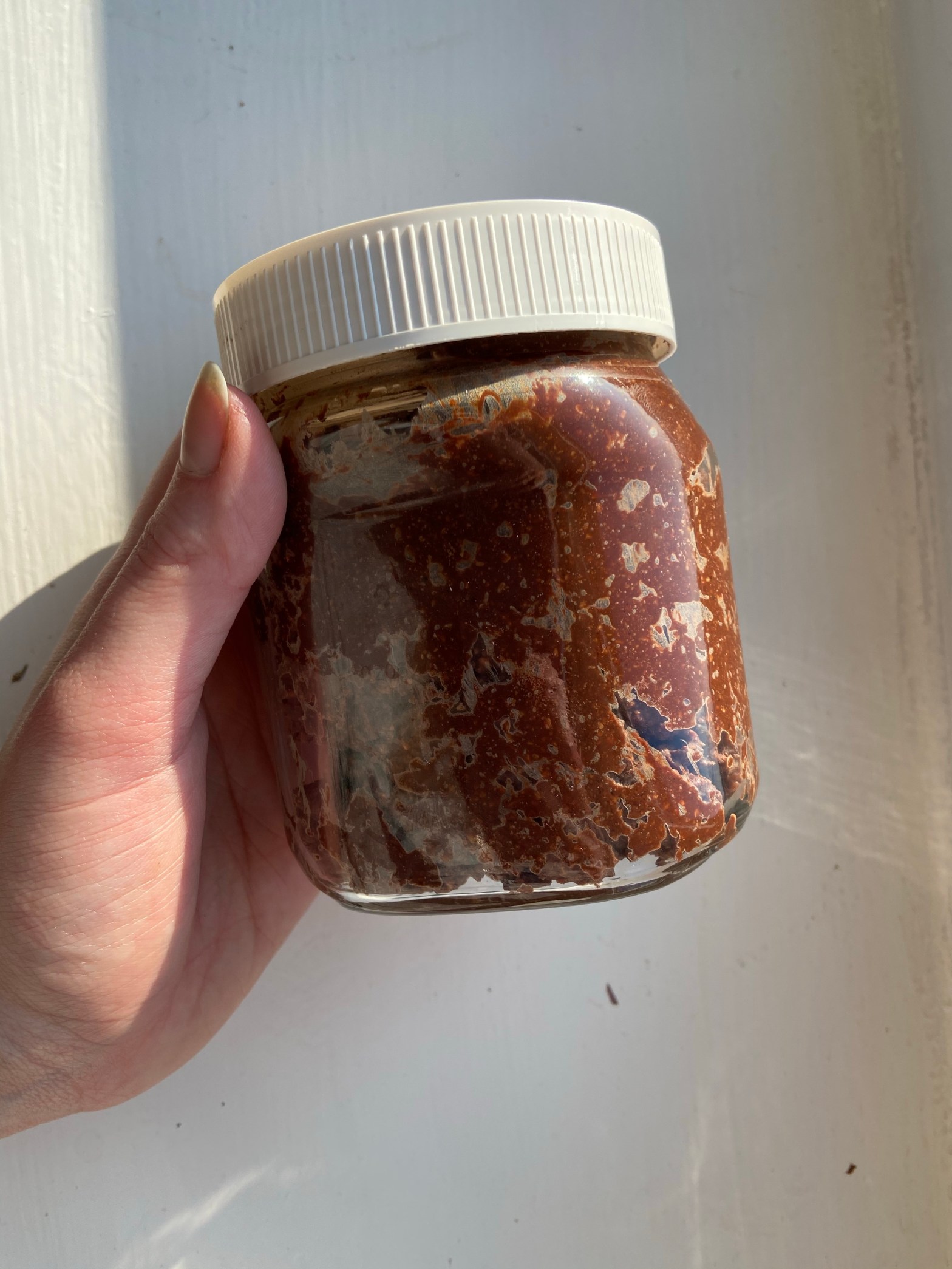
Nutella is one of my favourite foods. I love pairing it with peanut butter and apple slices as a pudding or a snack, which is basically what I would have most afternoons when I came home from school (when I was still in school). But then, I found out that ferrero who make nutella didn’t use sustainable palm oil, so I stopped eating it. Ferrero now lead the way for buyers of palm oil in sustainability, so I started eating it again. When I was looking for more foods to make plant based, I looked at the ingredients list for the first time and realised that it contained milk. This didn’t particularly bother me, but I couldn’t really understand why when there was already milk chocolate in it. So, after thinking about how many jars I was buying, the fact it contained dairy and seeing really simple recipes for it, I decided to give making it myself a go. The result? It’s delicious.

Ingredients:

  • 2 cups of raw hazelnuts (you can use roasted hazelnuts, but I think that the raw ones have more flavour)
  • 1/2 cup dark or milk chocolate (if you want this to be vegan, make sure your chocolate is vegan)
  • 1/2 tsp vanilla extract
  • 1/2 tsp sea salt

Method:

  1. If your hazelnuts are raw, you need to roast them. Preheat your oven to 170 degrees c and roast them on a tray for about 10-15 minutes. If you smell burning, check on them! If you have roasted hazelnuts, just heat them up for about 5 minutes instead.
  2. Next you need to remove the skins. This is the same method as with the peanuts from my peanut butter recipe – just put them in a tea towel and shake them around.
  3. Next, put your hazelnuts in a food processor or blender and blend them until they form a paste. This should be relatively liquid, if it’s not you need to keep blending. Once it’s blended, add the salt and vanilla extract.
  4. Next, melt your chocolate, either in the microwave or using a bain marie (if you’re feeling fancy)
  5. Then, add your chocolate a little at a time to your hazelnut mixture, stirring as you go.
  6. Give it a taste! If it isn’t sweet enough, you can add some powdered sugar, sweetener or maple syrup to taste. Be careful not to add too much liquid sweetener though, as this will make the mixture rock hard.
  7. Store in a jar and keep at room temperature for a few weeks.

That’s it! This goes really well with the peanut butter recipe I shared the other week – why not try the two together? Soon I’ll try baking with them and let you know how that goes. I hope you give this recipe a try – enjoy!

Eco Burnout and Eco Anxiety

I love my masters degree, I love my blog and I love talking about the planet, but sometimes I feel exhausted and sad about it. Anyone else? I’d imagine, pretty much everyone. This is basically a form of burnout, just climate specific burn out. Burnout is ‘the feeling of being exhausted due to excessive and prolonged levels of stress’, so eco burnout is the same thing, but stems from anxiety about climate change. For me, I spend my working day looking at climate change, and I spend my spare time writing blog posts and looking at more climate change. It’s not that I don’t enjoy it, care about it or want to learn more, it’s just a bit much sometimes. So, if you ever feel drained and sad about climate change, I have some tips below that really help me.

Ways I cope with eco burnout:

Looking at the good things – climate change news can be really negative (because there’s a lot of bad) but there is also so much to be positive about! It’s really important to focus on these positives, especially when it feels like there’s not a lot to be happy about. Some of my favourite ways to find these positives are through organisations like WWF or Greenpeace, and newspapers like the Happy Newspaper.

General self-care – this is just a good thing to do generally, but I find it really helpful for eco burnout. My preference is either yoga, running or cooking. I find that yoga helps me to destress and just focus on moving for 15 minutes, so I automatically feel a bit more positive afterwards. I started running during lockdown, and I’m really enjoying it, particularly if I’m feeling frustrated. A run leaves me feeling like I can do anything, and suddenly my problems (climate or otherwise) don’t feel so big. I also love cooking and trying new recipes. This is just a nice way to relax after working all day, but I appreciate that for some people cooking is not relaxing at all!

Connect with other people – I find it really comforting to talk to other people who also worry about climate change – suddenly, it doesn’t feel like I’m all on my own. That’s part of the reason I started this blog to be honest! It’s great to find an eco community on social media, through charities or even through friends who you can sort of convert. This also helps me to remember that this isn’t my problem, it’s a shared problem, and I don’t have to shoulder it all myself.

Focusing – part of the reason that climate change is so overwhelming is because there are so many aspects to it – agriculture, plastics, animals, deforestation, policy etc. I try to focus on one bit at a time. For example, one of my new years resolutions was to not eat dairy yoghurt (which I’ve stuck to), instead of cutting out dairy altogether – yet. By focusing on one thing at a time, it makes the situation feel more manageable. This also links to the last tip – if you’re part of a community, then you can help each other to simplify things wherever possible, like doing clothes swaps and things.

Understand that looking after yourself is the priority – to fight climate change, to protest inequality and to try and be zero waste, you have to have the energy. If you don’t look after yourself, you won’t have the energy! Giving yourself to a cause is only any good if you’re in working order, otherwise you may not actually be that helpful. But, regardless of whether you have a cause or not, looking after yourself is very important and should not be skipped on.

I really hope that this was helpful. If you’re struggling with this right now, particularly with the pandemic, then give some of these things a try. Crucially, find what works for you! What helps to ease my anxieties may not ease yours. Good luck.

As a final note, my (virtual) door is always open, but if you are really struggling then please seek help ❤ I’ll link some websites here:

Homemade Peanut Butter

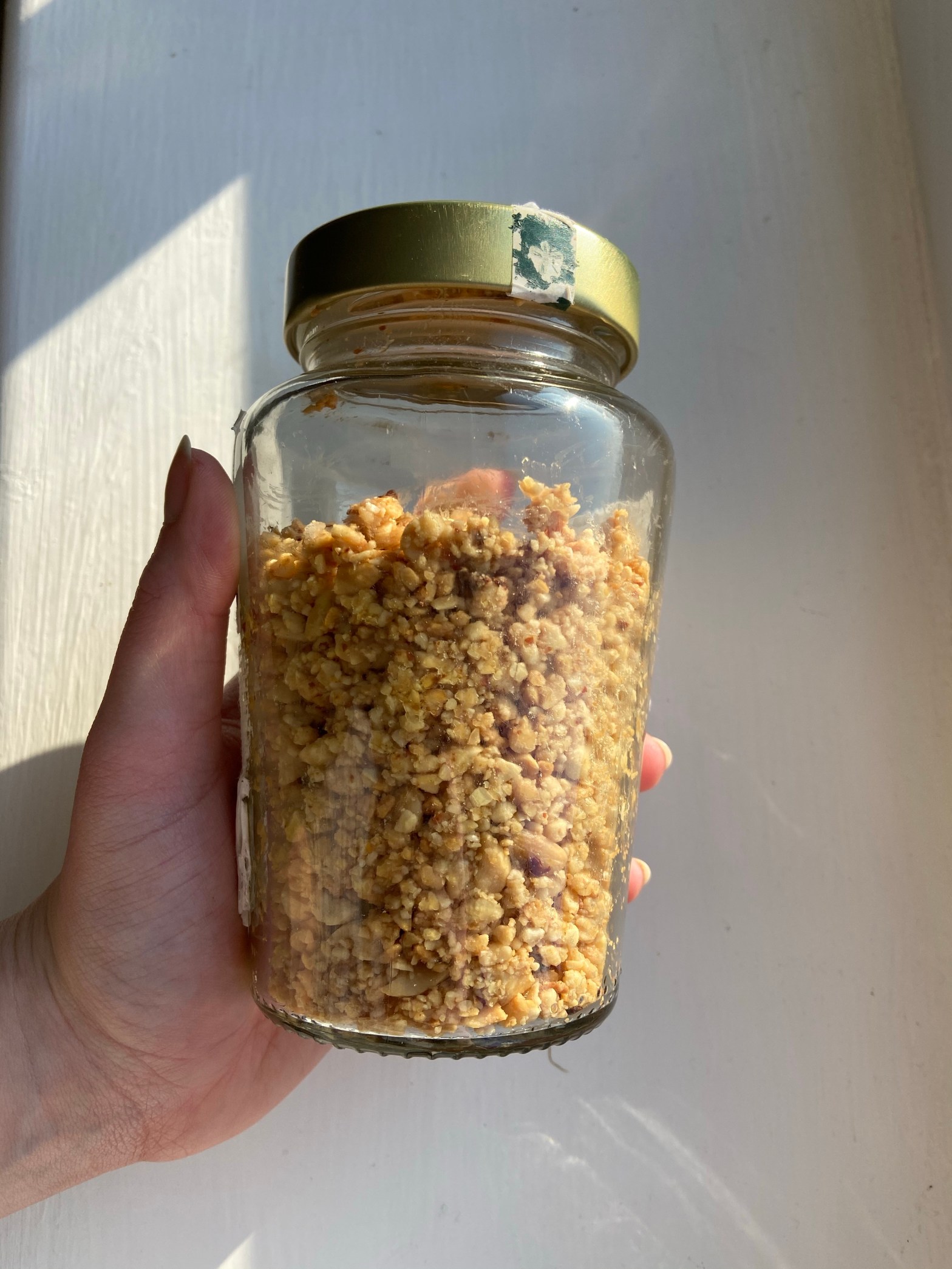
One of my newest favourite foods, peanut butter is so delicious. But, it virtually always has palm oil (sometimes sustainable) in the ingredients list, and every time I buy it I acquire a new jar (which we all know I don’t need). So, I decided to try making my own. Now, I like chunky peanut butter, so I keep some peanuts out to add crunch, but if you like smooth peanut butter, then just blend all of your peanuts! I’ve used it a lot so far and I love it, so hopefully you’ll love it too.

Ingredients:

  • 2 cups of peanuts
  • 1 tsp Oil (Peanut is best, but any neutral oil will work)
  • Salt (to taste)
  • Maple Syrup (to taste)

Method:

  1. If you have unroasted peanuts, then you’ll need to roast them. I roasted mine at 180 for about 25 minutes, but check them every so often to check that none are burning.
  2. Next, take the skins off. The easiest way to do this is to put all the peanuts in a cloth and rub them until the skins separate from the nut. It doesn’t have to be perfect, but you want as much gone as possible.
  3. Next, tip your peanuts into a food processor (reserve about a third if you like chunky peanut butter, and roughly chop them). Next, blitz them until they form clumps, then push the mixture down the sides of the food processor and keep blending. Add in your oil and continue to blend until smooth.
  4. Next, add your maple syrup and salt, continue to blend for a few seconds to combine.
  5. Stir through your chopped peanuts if using, and put in a container.
  6. All done!

This does keep best in the fridge, but you can keep it in a cupboard if you live somewhere that’s not too warm or if you’ll eat it quickly. It lasts a few weeks, so you’ve got some time. Enjoy!

Cold Weather and Global Warming

So, we’re being told that the planet is heating up. Without big changes, the sea levels will rise dramatically, some countries will be too hot to live in and our reliance on air conditioning will be a catch-22. But if the planet is warming, why has the weather been so cold? Across the world, there has been snow, ice and freezing wind – how can this be happening if the world is warming up? Hopefully, this week I’ll be able to make it a bit clearer.

First of all, climate and weather are not the same thing. As I explained in my heat wave post during the summer, weather changes, including temperature changes, are local, day-to-day fluctuations. Climate is described as ‘the average weather patterns in a region over a long period of time‘. Although we know that climate change is likely to make winters milder and wetter in the UK, this does not mean that cold weather will never happen.

To understand this, we have to understand something called the Polar Vortex. The Polar Vortex is a big swirling ring of cold air and low pressure which wraps around both of Earth’s poles. It keeps cold air trapped in the north. As the Polar Vortex gets weaker (due to climate change), it wobbles, which means that it can move south, which can affect Europe, North America and Asia, as it is now. It can also ‘elongate, stretch into different shapes and even split’. The Polar Vortex has been weakened a lot in the past 30 (ish) years due to loss of glaciers and sea ice because of extreme warming, and therefore has changed shape a few times. So, this is an example of where local changes in the Earth’s poles have global repercussions.

For the UK, we also have to understand the Atlantic jet stream. The jet stream is a ribbon of strong winds which can cause changes in wind and pressure, which helps to shape the weather. Low pressure can bring storms, and high pressure can bring dry skies. The Polar Vortex has a bearing on the jet stream – if the Polar Vortex weakens, the jet stream also weakens, and if it strengthens, the jet stream generally strengthens. A stronger jet stream can bring us stormy and wet weather, whereas a weak jet stream can bring very cold air from the Arctic and Europe in the winter.

So, how does this affect us? As we’ve seen with places around the world (most recently, Texas), this extreme weather can disrupt travel and hospitals, affect power and water supplies, cause flooding and even cause deaths. Sadly, some of the changes we’ve seen related to temperature and weather may be irriversible – the thing is, we don’t really know. The good thing is, this is an area of great developing research, and we’re learning more about it every day. These individual problems are all linked to our biggest problem of all – climate change. So, we must make big changes, quickly.

I hope that this was helpful – I’ve linked many different websites which should be able to explain these things much better than me. There are also infographics from organisations like Greenpeace on social media that are really helpful and easy to understand. It can be pretty complicated, but if we’re trying to understand it all, then we’re moving one step forward. Thanks for reading!

Homemade Bath Salts

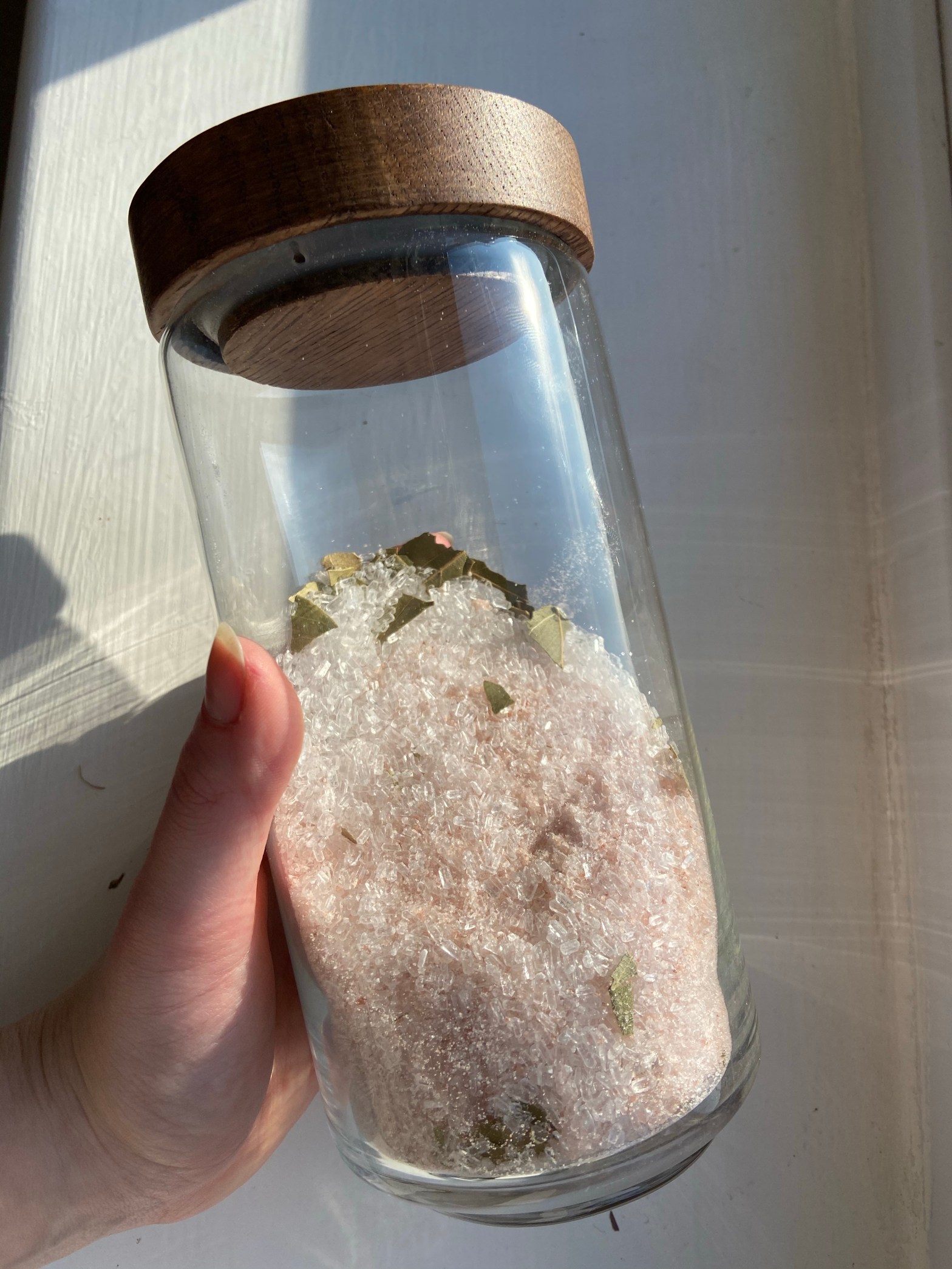
This week, I tried out a few recipes for the first time, and here is the first one! My mum loves baths, and she’s very keen on bath salts. Whenever I’ve bought her bath salts, I’ve tried to buy plastic free, sustainable etc – but what could be more sustainable than making them myself? It was one of the easiest DIYs I’ve ever done, and having tried the bath salts, they’re really nice and you can’t tell that they’re homemade. So, if you want to give them a go, then just follow the recipe! I’ve also listed some of my favourite scents, but there are loads out there, so just have a look on the internet to find one that works for you.

Good Scent Combinations

  • Lavender and Sage
  • Eucalyptus and Peppermint
  • Orange and Green tea
  • Rose (and most other floral scents)
  • Chamomile and Lavender
  • Lavender and Peppermint
  • Grapefruit

Ingredients

  • Epsom salts
  • Pink himalayan salt
  • Essential oil
  • Herbs or dried flowers (if you like)
  • A Jar

Method

  1. Combine 4 parts epsom salts to 1 part pink himalayan salt and mix until they’re well combined.
  2. Crush up your herbs (if using) until you have small pieces. This releases the scent from the herbs and makes them easier clean from the bath.
  3. Add herbs and essential oil – depending on the strength of your essential oil, you might have to add more or less. Always start with less, and stir it through the salts.
  4. You’re done! Enjoy.

That’s all from me this week! As always, always make sure that you patch test any ingredients that you haven’t used before.

Tasty Salad Recipes

Salads as a plant-based person can be a bit sad. I like vegetables, but eating vegetables with more vegetables? It’s boring, and doesn’t fill you up. You need those carbs, fats and protein – the big three. I’ve been trying to work on my nutrition recently, and as part of that I’ve been eating salads for most lunches. Because salads can be harder when you don’t eat meat, fish or dairy, I thought I’d share some of my favourite recipes that I use everyday and some top tips for making salads,

Tip #1 – Variety. If you only use iceberg lettuce, then your salad will be sad. Try using mixed leaves, leafy greens (like kale and spinach) and some leafy herbs (like coriander). Try having variety with your other veg too – having different colours of pepper for example, as they all have varying levels of sweetness.

Tip #2 – Texture. Try mixing soft and crunchy foods, for example adding nuts and seeds to a salad will make it so much more interesting.

Tip #3 – Fats, protein and carbs. This combination of things is what makes you full and satisfied – it’s also what makes the salad taste nice. Try adding protein (vegan meats, chickpeas, lentils etc), fats (avocado, nuts etc) and carbs (rice, vegetables, quinoa etc) to all your salads.

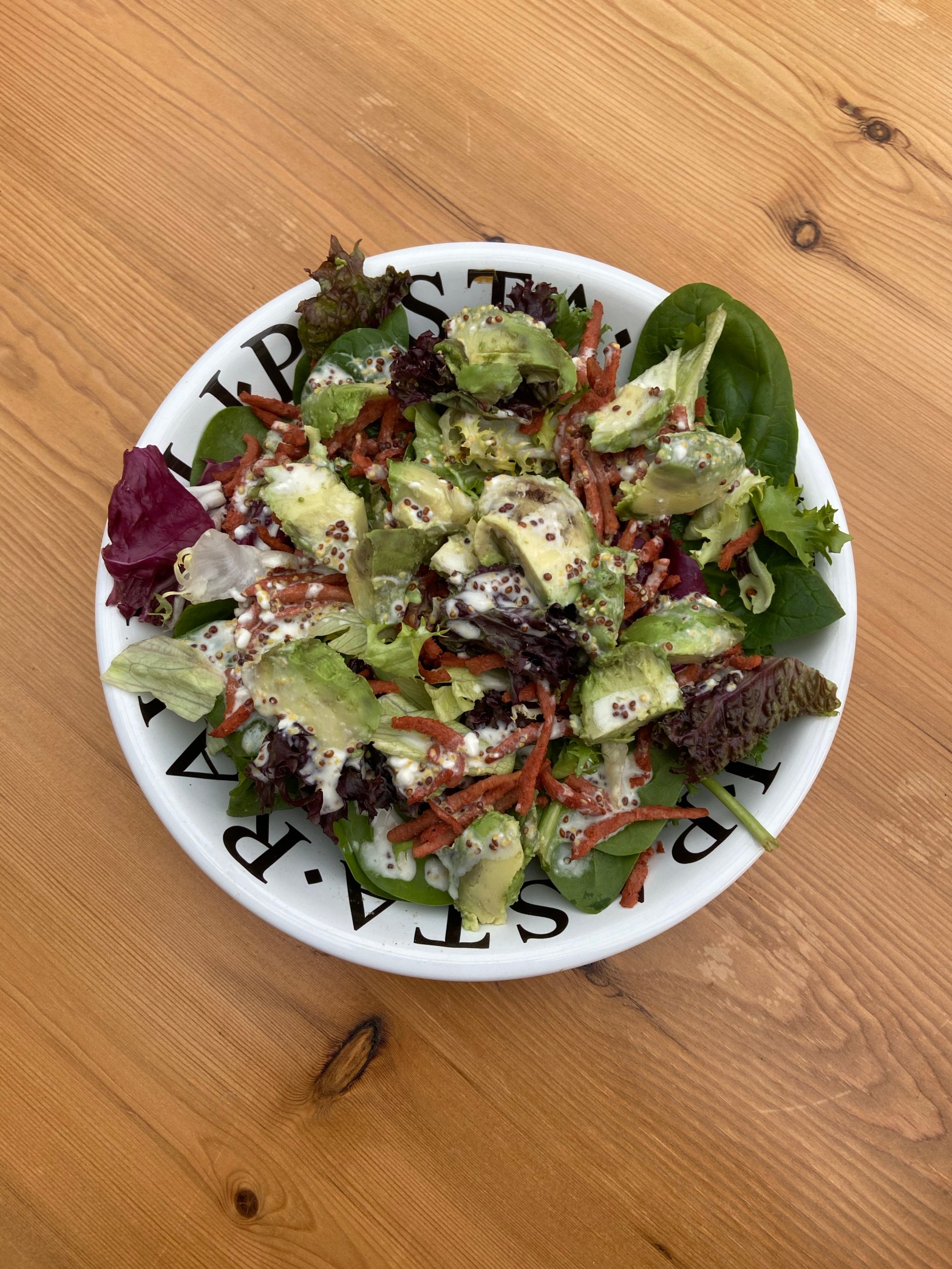
Avocado and ‘bacon’ salad with lemon and mustard dressing

So, for this salad, I combined kale, spinach, cucumber, celery, tomato, avocado, some mixed salad leaves, a little bit of couscous and some viv era bacon pieces. This is by far the most accurate tasting bacon product I’ve ever had, so I was really excited to use it in a salad. I paired this salad with a lemon and mustard dressing, which is made up of a teaspoon of wholegrain mustard, a squeeze of lemon juice and a few tablespoons of plant-based yoghurt. If you want more zing, add some more lemon juice!

Chickpea ‘tuna’ salad

Tuna mayo is one of the only things I miss, so it’s really nice to be able to make something that gives me that feel. If you’re looking for a true substitute, you won’t find it here, but it’s still really tasty. So, similar base as the last recipe – spinach, kale, mixed leaves, tomato, avocado, green pepper and orange pepper. Then, the ‘tuna’. There are loads of recipes which I’ll link down below, but I tend to do this mixture: One tin of chickpeas, drained, mashed up with about 3 table spoons of vegan mayo, a teaspoon of wholegrain mustard, a few teaspoons of dill, a pinch of garlic powder, the juice of half a lemon and some salt and pepper. You can also add red onion or sweetcorn if you fancy it. A lot of recipes add capers, but I hate them, so I don’t tend to, but the option is there if you want some more saltiness. Just plop the ‘tuna’ on top of your salad.

Black bean salad

You’ve got the jist now, but here’s the base for this salad. Spinach, mixed leaves, kale, red and green pepper, cucumber, avocado, and celery. For the black beans mixture I mixed a drained tin of black beans with half a red onion, the juice of half a lime, a couple of tomatoes, sweetcorn, chilli flakes and some salt and pepper. My tip here is to chop up the tomatoes to the same size as the beans so that everything fits on your fork! Of course, you could also add some grated cheese of your choice to this, or some nutritional yeast.

So that’s it for this week! I hope that this was helpful, and please let me know if you try any of these salads out, or if you want any more recipes. I also share new recipes over on my Instagram, so if you want some more, that’s the place to go!

Extra recipes:

Cupful of Kale

Loving it Vegan

The Simple Veganista

I did Januhairy

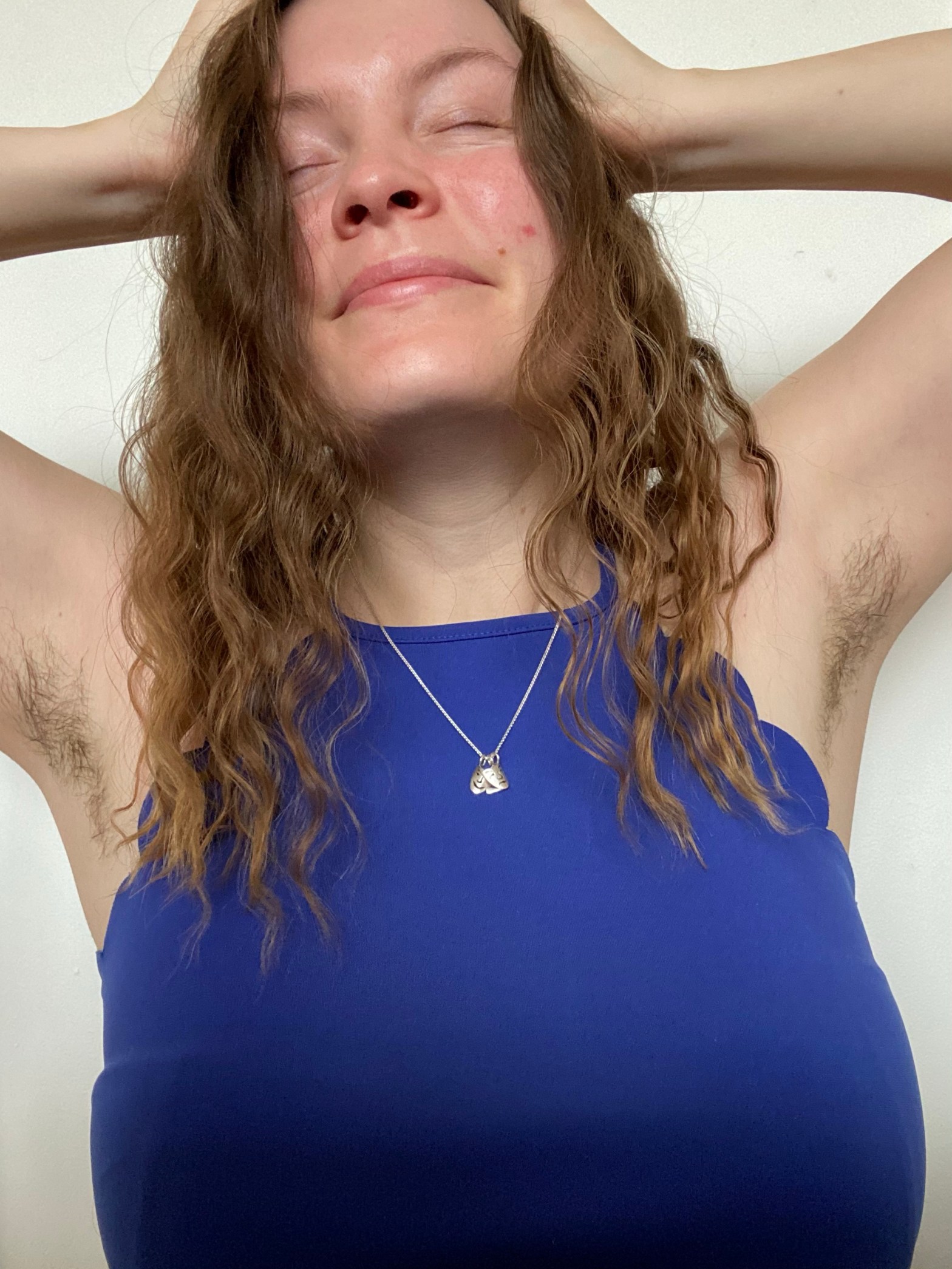
So, in this extremely weird time, lockdown 3.0, I just sort of… stopped shaving? It started because I ran out of razorblades, and then by the time I got some, I had gotten into the habit of not bothering. Then, I suddenly realised that actually, I didn’t feel like shaving. Unwittingly, I had taken part in Januhairy. What is Januhairy? Put simply, Januhairy is a movement that advocates loving and accepting body hair. I’ve never really thought about my body hair in any way other than negative, like ‘oh I can’t wear that dress, I haven’t shaved my legs’. This month, I definitely got to look my body hair fully in the face, so in this weeks post, I wanted to talk about it!

Body hair is not something that we talk about that much and to be honest, I don’t think I’ve ever given it much thought. I remember starting shaving, and I remember why – because everyone else was. The only change in my shaving routine was about a year ago when I bought a safety razor, so that I could cut down on plastic use. But as we know, the ultimate eco-friendly solution is to stop shaving altogether, so after getting a few weeks through not shaving, I wanted to see whether I was comfortable not shaving at all. I also wanted to see whether body hair was something that bothered me, or whether it bothered me because it bothered other people. A quick note – of course, this whole thing was easier to do during lockdown in January, because not only have I been bundled up, but I’ve been staying at home and seeing no one, so how I feel now might be different to how I feel in a more normal time.

So what did I think?

I have mixed thoughts. I’m definitely a lot more comfortable with body hair than I was, and I had almost a sense of pride at what my body was capable of? Having no shaving irritation has also been nice, and moisturising has felt more therapeutic. I’ve also spent less time in the shower, and therefore less water, which in terms of sustainability is really good. Pretty much all positives. It’s definitely a strange feeling having hair where I haven’t had hair for roughly 10 years, and I’m not very used to it yet. I also found that when I did push myself to wear tops that exposed the hair, I was very self-conscious of it, even though I was pretty comfortable with it when I saw it like getting out of the shower, or getting dressed etc. So, I’m definitely not all the way there.

So will I ever shave again?

I think I will, yes. I’m definitely more comfortable with my body hair, and I think I’ll be much less concerned about shaving than I was before. If I’m a bit hairy but I want to wear a dress, I will wear the dress. I’ve also learnt more about why I shave – some of it is personal preference but some of it is feeling like I have to. I won’t lie, I’ve missed having smooth legs, and I’ve always enjoyed the ritual of shaving, but I’ve been really impressed with what my body is capable of and it has been nice to eliminate another ‘task’ from my life! Although I didn’t have to deal with going out into the world with my hairiness, I did feel very aware of the stereotype of looking eco-friendly – you know, hairy legged, long hair, smelling bad etc (which of course is not true), but I was so aware of it the entire time.

Overall, not shaving at all is not something I’m completely comfortable with yet, but this is just the beginning of a long relationship between me and my body hair, and I really enjoyed exploring it!

How About… Net Zero?

You may have heard the terms ‘net zero’ and ‘carbon neutral’ mentioned in relation to emissions. In particular, you may have heard various world governments pledge to achieve ‘net zero emissions’ by 2050, like the UK, New Zealand and Denmark. But what do ‘net zero’ and ‘carbon neutral’ actually mean? They have definitions, but the problem is that they are often misunderstood and can leave room for cheating or fiddling with numbers, as I’ll go on to explain. These are two terms that we can expect to hear a lot more about as time goes on, especially as we get closer and closer to those ever looming climate targets.

Net Zero

‘Net zero’ does not really have a solid definition. Broadly, it means reducing our impact on the planet, whilst also balancing out the damage that we have already done. For example, a country might reduce the amount of carbon that they produce, whilst also planting more trees to balance out any remaining carbon emissions. That’s essentially it, however this isn’t a particularly solid term, so it tends to get used a lot without real understanding. This is particularly important to consider when it gets used in politics!

Net zero sounds very exciting and it implies powerful change and action, but we are yet to see any governments really put this term into practice. There is also a concern that governments and companies will not reduce their carbon emissions, but will simply pass off the responsibility to other people. The argument is that we cannot solve all our problems by continuing to live unsustainably and planting lots of trees to balance out our emissions. This is something that activists like Greta Thunberg have mentioned. If you are carbon neutral, then essentially you have achieved net zero, so the carbon that you produce is balanced out.

Does that make sense? Sort of. In my opinion it sounds like a good idea, the problem is the interpretation and empty promises that can follow. It’s very easy to say that we want to commit to net zero, it is far harder to put it into practice.

Hopefully this has cleared some stuff up for you! Please let me know what kind of thing you would be interested in seeing from me, whether it’s more like this or less heavy topics, or a mixture.

Things I don’t do Zero Waste

Ouch, what a title. Potentially a controversial statement, but I think that it is more important for everyone to reduce their waste than for some people to eliminate their waste. In a perfect world, I would be zero waste all the time, but particularly in a pandemic that is very difficult. So, this week, I thought that I would talk you through the areas of my life that are not zero waste. They are all areas that I know I can improve, especially once things are more open and I have a more concrete routine. If you have any ideas as to how I can do this, let me know!

Food Shopping

Although I do some of my shopping from zero waste shops and I buy as much as I can loose, there are several things that I always end up buying in plastic:

  • Veggie/Vegan meat substitutes – this is a difficult one, because when I weigh up the impact of eating vegetarian or vegan against the impact of the packaging, the actual food still has more of an impact. Examples include Tofu (which comes in cardboard and plastic), veggie sausages (which can be cardboard but are also sometimes in plastic), and veggie mince (which always comes in plastic). I don’t really have a solution for this other than stopping eating them.
  • Oat milk – again, this is a diet thing. My oat milk comes in Tetra Paks, which I cannot recycle at home, and at the moment cannot travel to recycle. But I do have a solution – my parents have a milkman who brings dairy milk, eggs and fruit juice in glass bottles or cardboard. The company also does oat milk, so I will start getting it from the milkman!
  • Baking supplies – I bake about twice a week, and although most baking supplies come in paper bags, it’s still not ideal and I definitely need to do better. I can easily refill everything from zero waste shops, I just need to be more organised.
  • Frozen fruit and veggies – I use frozen fruit and veg a lot for smoothies, and it’s great because it keeps a lot longer. However, I the packaging is all plastic and non-recyclable. The solution is maybe buying fresh fruit and veg and then chopping and freezing them.

Bathroom

This is a smaller category, but still, it has it’s problems:

  • Toothbrush – although my toothbrush is bamboo, I have a second toothbrush which is for baby teeth because I have some problematic wisdom teeth that I have to clean with a smaller brush. This is plastic, and I don’t think that bamboo toothbrushes are made that small.
  • Toothpaste – same thing as above really. I did try some zero waste toothpaste, but I didn’t like it and my teeth didn’t feel clean. I would really like to find an alternative that doesn’t use plastic.

Cleaning

I am exploring some zero waste cleaning (see my all-purpose cleaner if you want an example), but I don’t do everything zero waste.

  • Toilet cleaner/bleach – this is just habit really, but I use bleach to clean my bathroom in particular and I dilute it with water to clean floors. There are two potential solutions to this – firstly to find an alternative, but secondly to find an option that I can get at a zero waste shop.
  • Anti-bacterial spray – at the moment, I clean everything that we bring in from outside the house with this spray. I’m hoping that soon I won’t have to use it as much, but it would be good to find an alternative.

Make-up

  • Erm, all of it – this is one of my New Year’s Resolutions. When I finish a product, I want to replace it with one that uses less packaging, is vegan etc. But, I need to use what I already have, because obviously that’s the best way to limit waste.

Arts and Crafts

  • I like making things, and I used to make cards for people all the time, so I have a lot of leftover supplies. I also love painting and drawing, so I also have a lot of paint, brushes, canvases etc. Again, I’m using up what I have as and when I need to, like at Christmas when I made tags and cards. However, I don’t really see a solution to not using more supplies, other than not making anything.

So that’s it. Those are the few that spring to mind, but I’m sure I can think of others. I see these as areas for improvement as and when I can. It’s important to remember that whilst it’s great to do your bit and our choices can change consumption levels, there need to be big overall changes in policy and infrastructure. So, do what you can, but don’t beat yourself up for not being 100% all the time.

DIY All Purpose Cleaner

I find that cleaning products are one of the things that people tend to be sceptical about swapping when they want to lower their waste. I get it, we’re set in our ways and we like to use reliable products. But, there are many reasons to try zero-waste cleaning. Firstly, it’s often cheaper, because it uses whole ingredients, reuses packaging and can use rubbish like peelings. Secondly, most cleaning products come in plastic, and most zero-waste options require no packaging at all. Thirdly, cleaning products can be bad for us because they create indoor air pollution, particularly when we mix chemicals and don’t ventilate our houses – let me know if you want me to cover this in more detail in another post! So, to get started, here is a pretty generic All Purpose Cleaner. The base is water and vinegar, but if you don’t like the strong smell of vinegar, adding citrus can be good to cover that smell.

You will need:

  • Orange Peels (about 4 or 5)
  • White vinegar
  • A bottle (preferably a spray bottle)

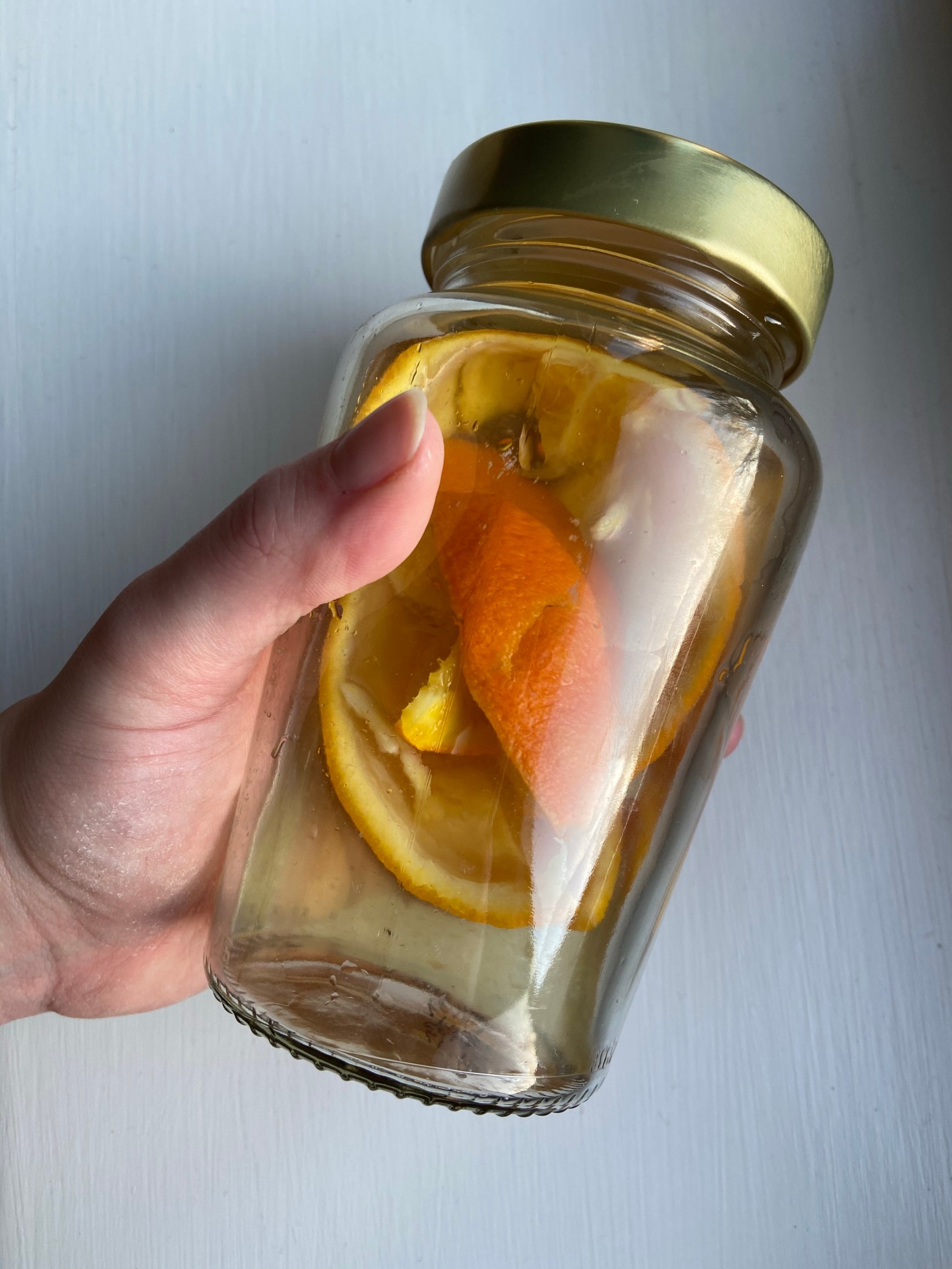
This is sort of a three step process. Start by collecting your citrus peels as you eat them. I used orange peels because I eat a lot of them, but you can use lemons, limes or any citrus fruit peel. Once you’ve collected them, put them into a container, like a large jar, and cover them with white vinegar. Leave them in a cool, dry place for about 3 weeks. After three weeks, remove the peels using a sieve and compost them. Then, fill your spray bottle halfway with the vinegar, and top up with water – you want a 50/50 split. That’s it! This is suitable for use on almost any surface in bathrooms and kitchens.

That’s it for this week – I’ll probably do a few more of these DIY cleaners, let me know if there’s anything specific that you’d like to see! As always, show me if you try out this recipe.

If you liked this, then feel free to follow my blog and like this post!

Design a site like this with WordPress.com
Get started