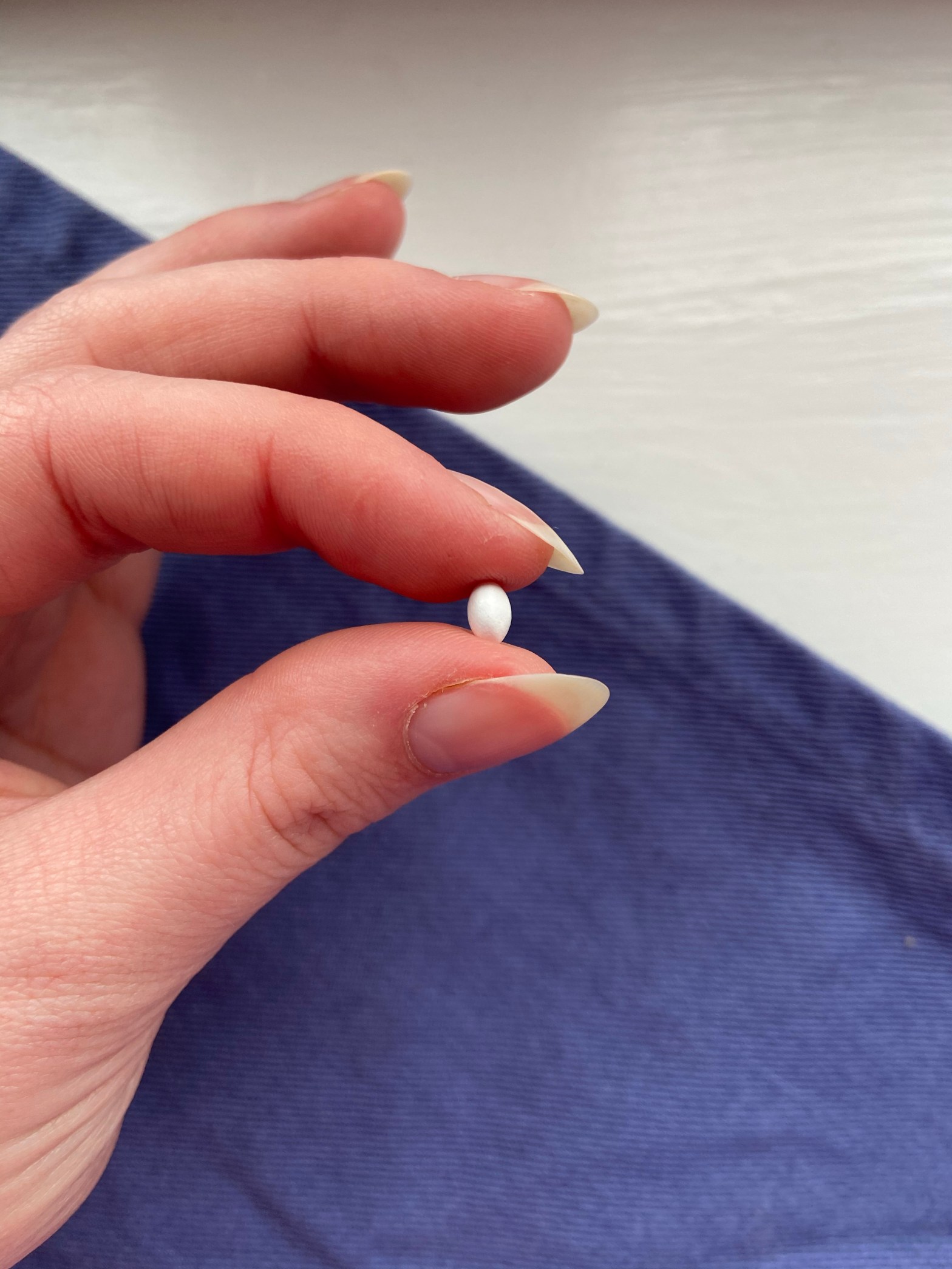
Recently, we’ve heard a lot about the Covid vaccine and potential risks of blood clots. In response, people have been talking about the blood clot risk related to the contraceptive pill and how this isn’t talked about very much. Something that is talked about even less than this is the environmental impact of the pill, so that’s what I’m going to be looking at today!
First of all, what do I mean by the pill? There are two types of contraceptive pill – the combined pill and the progestogen-only pill. In this post, I’m talking about the combined pill, which is a very popular form of birth control which contains a synthetic hormone called EE2 (ethinyl estradiol). When used correctly, the pill is 99% effective at preventing pregnancy. This is done by stopping the ovaries from releasing an egg every month, thickening the mucus in the womb and thinning the lining of the womb. This makes it more difficult for sperm to reach the womb and more difficult for eggs to implant into the womb lining. For more information about the pill, have a look at the NHS site.
So, when people take the pill, they absorb some of the hormones, and the rest leave the body when they go to the toilet, eventually ending up in our water. EE2 is one hormone that ends up going into the water, which can affect fish by making it more difficult for them to reproduce. How? Well, fish (and humans) have something called an endocrine system which releases hormones that regulates the body. EE2 disrupts this system, which can lead to fish developing a condition known as intersex. Intersex means ‘the irreversible development of eggs in the testes of male fish’, which can mean that fish can’t reproduce, which damages species numbers. In fact, some species have already collapsed, even where levels of EE2 are not that high.
What can we do about this?
We could regulate the pill before it is used so that fewer hormones end up in the water. This would be done under the umbrella of developing ‘green drugs’ which are less harmful to the environment. For the pill, this might mean using a different hormone to EE2 which is less damaging, or reducing the amount of EE2 in the pill. But, this is a long-term solution, because it takes a lot of research and safety inspections.
We could also create returns programmes for expired and unused pills – this is something that already exists in several countries and for many types of medication. This could bring down the number of unwanted chemicals in our water. I don’t know who needs to hear this, but do not put medication down the toilet – it’s terrible for the environment, the water system and means that they have been wasted.
We can also treat water to remove chemicals like EE2. I won’t go into detail about exactly what these processes are, but basically they include filtering water through things so that the EE2 gets caught, and the water is cleaned. However, these methods are very expensive, because infrastructure has to be upgraded – in England and Wales, this would cost about €30 billion. These costs would probably be covered by rising water bills. Unfair, right?
Why has nothing happened if this is an issue? Well, research is still ongoing, and although we have identified EE2 as a problem, it is unclear how much of a problem it is – in other words, governments are only going to pay out for it if it is enough of an issue. The pill is also a widely used contraceptive, with 2.5 women taking it just in the UK. The pill gives people freedom and flexibility, and although there are some negative side effects, a lot of people feel that the benefits outweigh the risk.
Going forward, we need to do more research into the damage that EE2 does and how efficient removal methods will be. We also need to look at the pill, how it is used, how it is disposed of and whether there any alternatives. As with most environmental issues, we need to decide whether we want to pay up or whether we would rather settle for environmental damage.
I really hope that this was interesting and not too sciency. As always, be sure to follow me on social media (@waste_makes_waste) for extra things like reels and more insight into what I get up to!
 Waste Makes Waste
Very interesting post. I knew about this problem, but indeed it is good to open up discussion on a sometimes controversial topic such as the pill. I really liked the science bit of it. Keep on writing such good blog posts 🙂
LikeLike
Thank you so much! It’s definitely something that I haven’t seen much about anywhere!
LikeLiked by 1 person